%20(1).webp)
%2520(1).avif)
February 16, 2026
AI Basics: How Artificial Intelligence and ML Work Together
Learn AI basics and how artificial intelligence and machine learning work. This guide covers key concepts, types of AI, and how to apply them in business.


February 10, 2026
Managing IT risk is more than a technical concern—it's a business priority. As digital systems become more complex, the potential for cyber risk, data breaches, and operational disruptions grows. This blog will walk you through the foundations of IT risk management, including how to build a risk management program, use a framework, and apply best practices. You’ll also learn how to conduct a proper IT risk assessment, identify vulnerabilities, and implement effective mitigation strategies.
IT risk management refers to the process of identifying, assessing, and controlling risks related to information technology. These risks can include data loss, system downtime, unauthorized access, and compliance failures. For businesses that rely on digital systems, even a small disruption can lead to major financial or reputational damage.
A strong IT risk management strategy helps you stay ahead of threats. It ensures your systems are secure, your data is protected, and your operations stay on track. Whether you're dealing with third-party risk, internal vulnerabilities, or broader cybersecurity concerns, managing IT risk is essential to maintaining business continuity and trust.

To build a reliable IT risk management program, you need a clear plan and consistent execution. Below are several strategies that can help you reduce risk and improve your overall security posture.
A framework gives your team a structured way to approach IT risk. It outlines how to identify, assess, and respond to threats. Common frameworks include NIST, ISO 27001, and COBIT. Choose one that fits your industry and compliance needs.
An IT risk assessment helps you understand where your biggest threats are. It involves reviewing your systems, data, and processes to find weak spots. Regular assessments ensure you're not caught off guard by new or evolving risks.
A risk register is a living document that tracks all identified risks, their impact, and how you plan to address them. It keeps your team aligned and helps with accountability.
Not all risks are equal. Focus your efforts on the ones that could cause the most damage or are most likely to happen. This approach helps you use your resources more effectively.
IT risk isn't just an IT issue. Finance, HR, operations, and other departments all play a role. Make sure everyone understands their part in reducing risk.
Cyber threats evolve quickly. Use tools and processes to track changes in your environment. This includes monitoring for unauthorized access, system changes, and unusual activity.
A well-executed IT risk management plan offers several business advantages:

Using a risk management framework helps you stay consistent and thorough. It provides a repeatable process for identifying and addressing risks. Without a framework, your approach may be reactive and incomplete.
Frameworks also help with compliance. Many industry standards require a documented and structured risk management process. By following a recognized framework, you show regulators and clients that you take security seriously.
Mitigating IT risk requires more than just installing antivirus software. Here’s a breakdown of key steps to take:
Start by mapping out your systems and data. Look for areas where unauthorized access, data loss, or service disruption could occur. Early risk identification helps you act before problems grow.
Once you’ve identified risks, analyze their potential impact. Consider how each risk could affect your operations, finances, and reputation. This helps you prioritize your response.
For each high-priority risk, create a plan to reduce or eliminate it. This might include updating software, changing access controls, or training staff. Make sure each plan has clear steps and owners.
Use technical and administrative controls to protect your systems. This includes firewalls, encryption, multi-factor authentication, and regular patching. Controls should match the level of risk.
Risk management isn’t a one-time task. Set up regular reviews to assess your controls and update your plans. Use monitoring tools to detect new threats in real time.
Human error is a major cause of IT risk. Provide regular training on cybersecurity best practices, phishing awareness, and data handling. Make security part of your company culture.

Start by assigning ownership. Someone in your organization should be responsible for managing IT risk. This person or team will coordinate assessments, track risks, and lead mitigation efforts.
Next, integrate risk management into your daily operations. Make it part of your project planning, vendor selection, and system updates. Use tools that help you automate tracking and reporting. Finally, review your program at least once a year to keep it current.
Following best practices helps you stay ahead of threats and avoid common mistakes:
A consistent, proactive approach is key to long-term success.
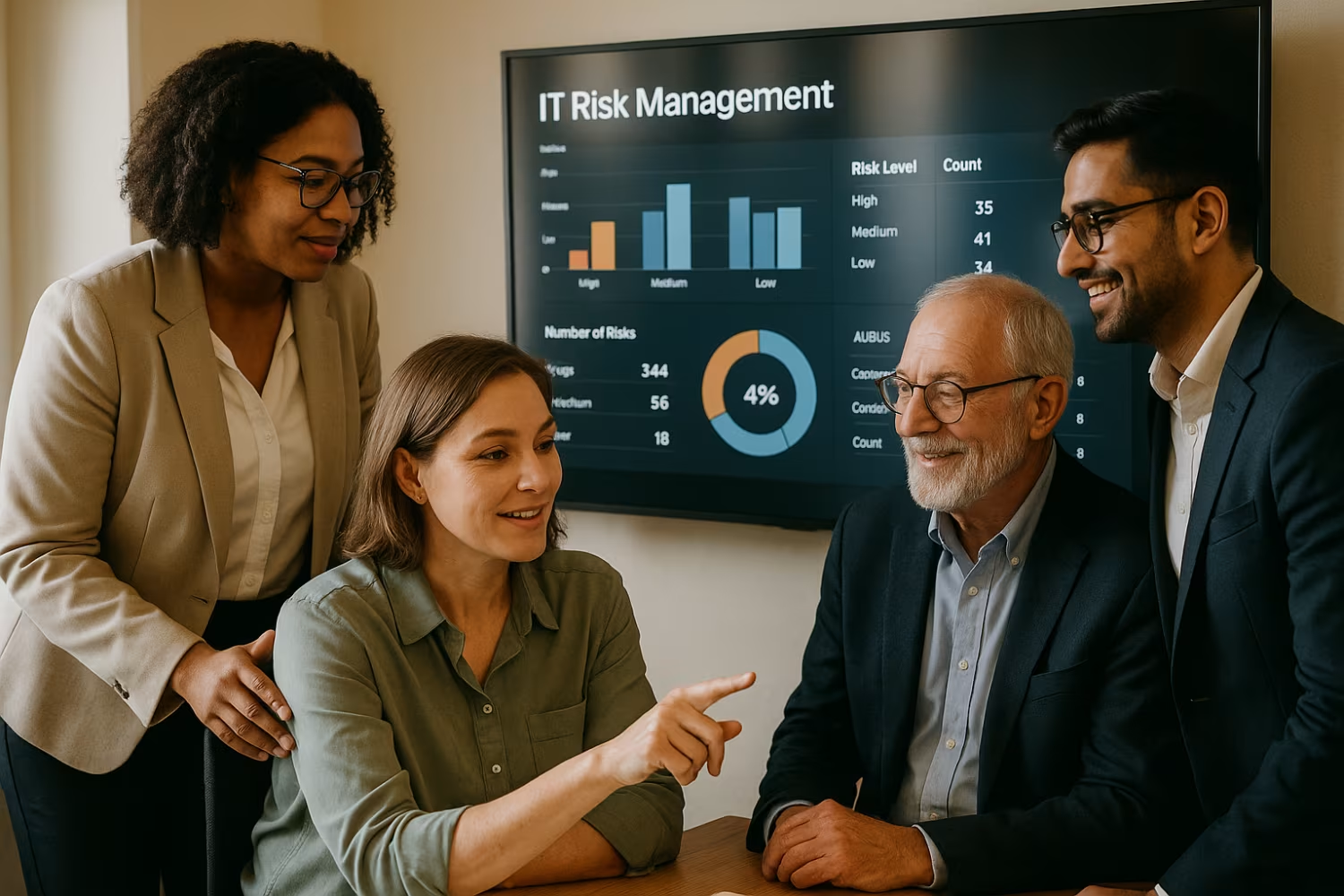
Are you a business with 10 to 100 employees looking to improve your IT risk management? As your company grows, so do your risks—and your need for a structured, effective risk management program.
We help businesses like yours identify vulnerabilities, implement risk mitigation strategies, and stay compliant with industry standards. Our team works closely with you to build a custom IT risk management plan that fits your goals and budget.
A risk management program is your organization’s overall plan for handling risk. It includes policies, procedures, and roles. A framework, on the other hand, is a structured model you follow to carry out that program. For example, ISO 27001 is a framework you can use within your program. Both are essential for managing enterprise risk and improving your cybersecurity posture.
You should perform an IT risk assessment at least once a year. However, if you introduce new systems, software, or vendors, it’s smart to reassess sooner. Regular assessments help you identify risks early and adjust your risk management process. This is especially important when dealing with third-party risk or new cybersecurity threats.
Start by mapping out your systems, data, and workflows. Then, look for areas where data could be exposed or operations disrupted. Use tools like vulnerability scanners and employee interviews. This risk identification step is key to building a strong risk register and reducing technology risk.
Track key metrics like system uptime, incident frequency, and audit results. Also, test your controls regularly through simulations or third-party audits. Effective mitigation reduces the impact of risk events and strengthens your information security. Adjust your strategies based on what the data shows.
Information technology provides the tools to detect and respond to threats in real time. This includes intrusion detection systems, log monitoring, and automated alerts. These tools support continuous risk monitoring and help manage information risk more effectively. They also improve your overall security risk posture.
Vendors and partners often have access to your systems or data. If they’re compromised, you could be too. Managing third-party risk means assessing their security practices and including them in your risk analysis. It’s a key part of any information risk management strategy.
February 16, 2026
Learn AI basics and how artificial intelligence and machine learning work. This guide covers key concepts, types of AI, and how to apply them in business.
January 30, 2026
Learn how IT cost optimization helps reduce waste, improve efficiency, and align technology spending with business goals for long-term success.
January 26, 2026
Learn how IT infrastructure management helps your business stay secure, efficient, and scalable with best practices, tools, and expert strategies.
