
August 28, 2026
Cloud Data Integration: Benefits, Integration Platform & Solutions
Explore cloud data integration, its benefits, and top use cases. Learn how integration solutions streamline business data for better decisions and growth.


December 26, 2025
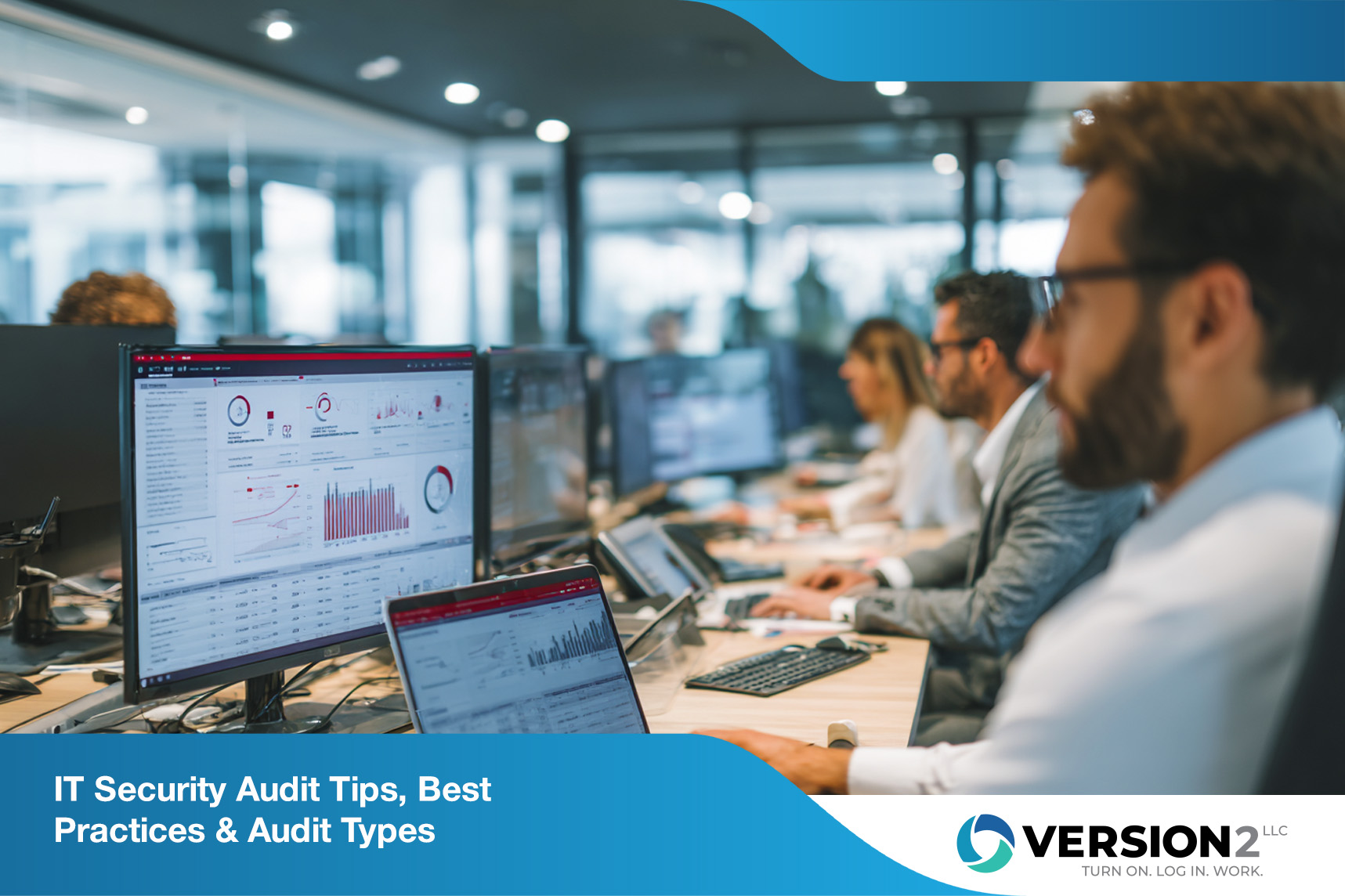
An IT security audit is a comprehensive way to assess how well your systems protect sensitive information. For small to midsize businesses, especially those handling customer data or operating under compliance regulations, regular audits are essential. In this blog, you’ll learn what an IT security audit involves, how to conduct one, common mistakes to avoid, and how to make the process more effective. We’ll also cover types of audits, audit techniques, and how to align your audit with security standards.
An IT security audit reviews your organization’s technology systems, policies, and procedures to identify vulnerabilities and ensure compliance. It checks whether your current security measures are effective and aligned with industry standards.
The audit process typically includes reviewing access controls, data encryption, firewall configurations, and incident response plans. It also evaluates how well your team follows internal policies. A good audit helps you spot weak points before they become serious threats and ensures your business meets regulatory requirements.

Even experienced teams can make errors during an IT security audit. Here are some key areas where things often go wrong and how to fix them.
Jumping into an audit without a clear plan leads to confusion and missed steps. Define your goals, scope, and timeline before starting. This helps your team stay focused and ensures all critical systems are reviewed.
Many audits focus only on digital systems. But physical access to servers, routers, or backup drives can be just as risky. Include physical security checks in your audit checklist.
Vendors and partners can introduce vulnerabilities. Make sure your audit includes a review of third-party access and their compliance with your security policies.
An effective IT security audit requires input from IT, HR, compliance, and leadership. Leaving out key departments can result in an incomplete picture.
Without proper documentation, it’s hard to track progress or prove compliance. Keep detailed records of what was reviewed, what was found, and what actions were taken.
Security threats evolve. Regular security audits help you stay ahead. Set a schedule to review your systems at least once a year—or more often if regulations require it.
A well-executed audit offers more than just compliance.

Cyber threats don’t wait. Businesses that perform regular security audits are better prepared to detect and respond to issues quickly. These audits also help you stay compliant with laws like HIPAA, PCI-DSS, or GDPR, depending on your industry.
Audits also support your internal audit process by providing a clear view of how well your security controls are working. Over time, this helps you refine your security policies and reduce risk.
A structured approach makes the audit process smoother. Here’s how to do it right.
Decide what systems, departments, and data types the audit will cover. Include both on-premise and cloud-based resources.
Know which regulations apply to your business. This could include IT compliance audit standards like SOC 2, HIPAA, or ISO 27001.
Collect current security policies, network diagrams, access logs, and previous audit reports. This gives your auditor a starting point.
Review firewalls, antivirus software, access permissions, and encryption methods. Check if they meet your defined security standards.
Use tools to scan for weak passwords, outdated software, or misconfigured systems. Penetration testing may also be part of this step.
Make sure only authorized users have access to sensitive information. Remove old accounts and enforce strong password policies.
Document findings and assign tasks to fix issues. Prioritize based on risk level and impact.

Following best practices can make your audit more effective and less disruptive.
Even with good planning, challenges can arise. Here’s how to handle them.

Are you a business with 10 to 100 employees trying to improve your security posture? If you're growing fast, managing risk becomes more complex. That’s where we come in.
At Version 2, we help you perform a thorough IT security audit tailored to your needs. Our team identifies gaps, ensures compliance, and helps you build a secure foundation for future growth. Contact us today to get started.
A security audit helps small businesses identify weaknesses in their IT systems and improve data protection. It’s especially important for companies handling sensitive information like customer records or payment data.
By reviewing your network security, access controls, and policies, an audit is a comprehensive way to ensure your systems meet current security standards. It also prepares you for future compliance checks.
You should perform a security audit at least once a year. If your business handles regulated data or has recently changed systems, more frequent audits may be needed.
Regular security audits help you stay ahead of threats and ensure your security measures are up to date. They also support your internal audit process by providing clear documentation.
There are several types of audits, including internal, external, compliance, and risk-based audits. Each serves a different purpose depending on your goals.
For example, a compliance audit checks if you're meeting regulatory requirements, while a cybersecurity audit focuses on technical vulnerabilities. Choosing the right type of audit helps you focus your efforts.
An internal team can conduct a basic audit, but for deeper insights, consider hiring an external auditor. They bring objectivity and broader experience.
Whether internal or external, the auditor should understand your industry, systems, and compliance needs. This ensures the audit helps you meet both security and business goals.
A good checklist covers access controls, data encryption, firewall settings, patch management, and incident response plans. It should also include physical security and third-party access.
Using a detailed security audit checklist ensures you don’t miss critical areas. It also helps standardize the audit process across different teams or locations.
An IT compliance audit focuses on whether your systems meet legal or industry-specific requirements. A general security audit looks at overall risk and system health.
Both audits are important. While the compliance audit ensures you avoid penalties, the broader audit helps improve your overall information security and reduce long-term risks.
%20(1).png)
August 28, 2026
Explore cloud data integration, its benefits, and top use cases. Learn how integration solutions streamline business data for better decisions and growth.
August 21, 2026
Discover how data backup solutions protect your business from data loss. Learn practical strategies for business data backup and secure recovery in this guide.

August 14, 2026
Explore how Managed IT services for small business can reduce downtime, boost security, and streamline operations with expert IT business solutions tailored for growth.
