%20(1).png)

August 28, 2026
Cloud Data Integration: Benefits, Integration Platform & Solutions
Explore cloud data integration, its benefits, and top use cases. Learn how integration solutions streamline business data for better decisions and growth.


January 30, 2026
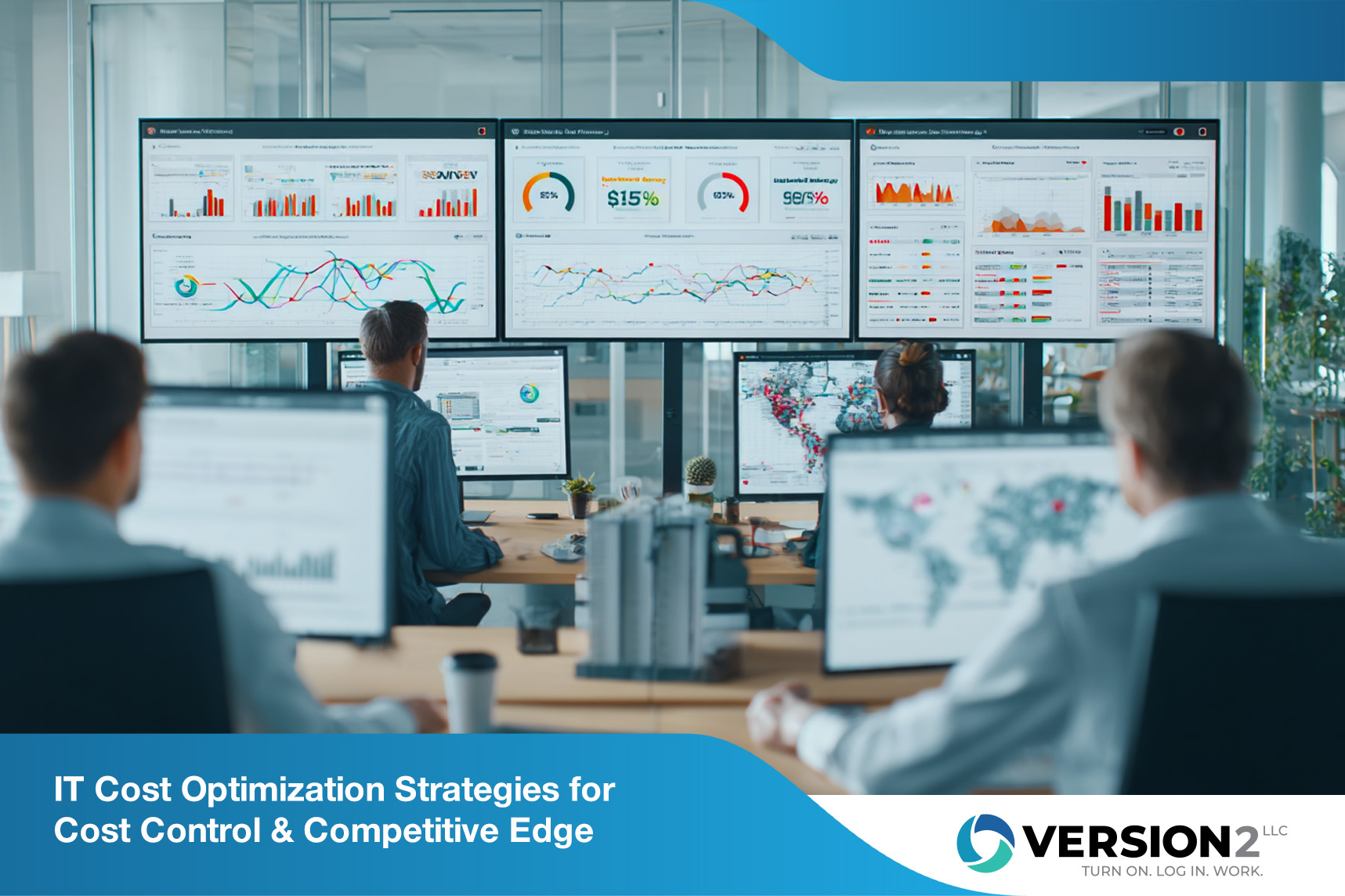
IT cost optimization is more than just trimming budgets—it's about making smarter decisions that improve efficiency and support long-term growth. For businesses with 10 to 100 employees, managing IT spending can be a challenge, especially when trying to balance performance, security, and innovation. In this blog, you'll learn what IT cost optimization really means, why it matters, and how to approach it with practical strategies. We'll also cover key benefits, common challenges, and how to implement cost-saving initiatives that help organizations reduce waste and improve profitability.
IT cost optimization is the process of aligning technology spending with business goals while eliminating inefficiencies. It’s not just about cutting costs—it's about using resources more effectively to support operations and innovation.
When done right, IT cost optimization helps reduce unnecessary expenditure, improve visibility into IT operations, and increase overall profitability. It also ensures that your IT investments are supporting the right business unit priorities and delivering measurable value.
For small to mid-sized companies, especially those growing quickly, this approach can unlock new opportunities. Whether you're using cloud services or managing on-premise infrastructure, optimizing your IT budget can lead to better performance and long-term success.

To get the most out of your IT budget, you need a clear plan. Below are several strategies that can help you make smarter decisions and reduce waste.
Start by reviewing all your current IT assets, subscriptions, and services. This helps you identify unused tools, duplicate systems, or outdated licenses that can be retired or consolidated. A full audit gives you the visibility needed to make informed decisions.
Automation can reduce manual tasks, lower labor costs, and improve accuracy. Whether it's automating software updates or using scripts for routine maintenance, these small changes can add up to significant savings.
Cloud computing offers flexibility, but costs can spiral if not managed well. Use built-in tools to monitor usage, set alerts for overages, and right-size your instances. This ensures you're only paying for what you actually use.
Work closely with stakeholders to ensure IT spending supports business priorities. When IT and business units are aligned, it’s easier to justify investments and avoid wasteful spending on low-impact projects.
Set clear policies for software procurement, device usage, and cloud access. This helps prevent shadow IT and ensures all spending goes through proper channels.
Negotiate better terms or switch providers if you're not getting value. Many businesses overpay for services they no longer need or could get cheaper elsewhere.
IT cost optimization isn’t a one-time task. Set up regular reviews to track performance, identify new opportunities, and adjust your strategy as needed.
A well-executed plan offers several advantages:

Creating a reliable cost optimization framework starts with setting clear goals. Define what success looks like—whether it's reducing monthly cloud costs or improving system uptime.
Next, assign roles and responsibilities. Make sure each stakeholder understands their part in the process. This includes finance, IT, and department heads who rely on technology daily.
Finally, use data to guide decisions. Track key metrics like usage rates, uptime, and support tickets. This helps you identify inefficiencies and make changes that deliver real cost savings.
Some efforts consistently produce strong results when applied correctly. Here are a few that work well for growing businesses:
Using multiple tools for the same task leads to waste. Consolidate platforms where possible to reduce licensing fees and simplify management.
Outsourcing IT support or infrastructure management can reduce overhead. Managed services often include monitoring, updates, and security at a lower cost than in-house teams.
Track the lifecycle of hardware and software. Replace outdated systems before they fail and retire unused assets to avoid unnecessary maintenance costs.
Educated users make fewer mistakes and need less support. Offer training on tools, security, and best practices to improve efficiency.
Use monitoring tools to set limits on bandwidth, storage, or compute usage. This prevents overages and encourages responsible use.
Create a centralized process for purchasing IT tools. This helps negotiate better deals and ensures compatibility across systems.

Start small. Choose one area—like cloud services or software licenses—and focus on optimizing that first. Use data to identify inefficiencies, then create a plan to address them.
Involve the right people. IT, finance, and department heads should all have input. This ensures that changes are practical and aligned with business goals.
Finally, track results. Measure cost savings, performance improvements, and user satisfaction. Use this feedback to refine your approach and expand your efforts.
To keep your strategy on track, follow these best practices:
Sticking to these practices helps maintain control and ensures your optimization efforts continue to deliver value.

Are you a business with 10 to 100 employees looking to get more from your IT budget? If you're growing fast and need smarter ways to manage technology costs, we can help. Our team specializes in helping businesses like yours reduce waste, improve efficiency, and align IT with real business goals.
At Version 2, we focus on practical, data-driven strategies that deliver results. Whether you're looking to optimize cloud usage, automate routine tasks, or build a long-term cost control plan, we’re here to guide you every step of the way.
Start with a full audit of your IT environment. This helps identify inefficiencies, unused resources, and areas where you can reduce costs. It’s also a great way to gain visibility into your current expenditure.
Once you have a clear picture, you can prioritize changes that offer the most value. This step is essential for cost optimization strategies that actually work and help organizations cut costs without hurting performance.
Automation reduces manual tasks, which saves time and lowers labor costs. It also improves accuracy and consistency in IT processes.
By automating updates, backups, and monitoring, you can optimize resource use and reduce the risk of downtime. This approach supports IT optimization and long-term cost savings.
Without cost control, IT budgets can quickly spiral out of control. Clear policies help manage spending and prevent waste.
Cost control also ensures that every dollar spent supports business goals. It’s a key part of any cost optimization framework that aims to improve profitability and reduce inefficiency.
Cloud computing offers flexibility and scalability. You only pay for what you use, which helps reduce unnecessary expenditure.
It also allows you to automate scaling, improve visibility, and optimize performance. These benefits make cloud services a strong tool for cost-saving initiatives.
Stakeholders help define priorities and ensure IT spending aligns with business goals. Their input is critical for making informed decisions.
Involving stakeholders also improves accountability and helps organizations build an IT cost optimization plan that delivers real results.
Quarterly reviews are a good starting point. This allows you to track progress, adjust strategies, and respond to changes in your business.
Regular reviews support continuous cost optimization and help maintain control over your IT budget. They also ensure your optimization efforts stay aligned with business needs.
August 28, 2026
Explore cloud data integration, its benefits, and top use cases. Learn how integration solutions streamline business data for better decisions and growth.
August 21, 2026
Discover how data backup solutions protect your business from data loss. Learn practical strategies for business data backup and secure recovery in this guide.
August 14, 2026
Explore how Managed IT services for small business can reduce downtime, boost security, and streamline operations with expert IT business solutions tailored for growth.
