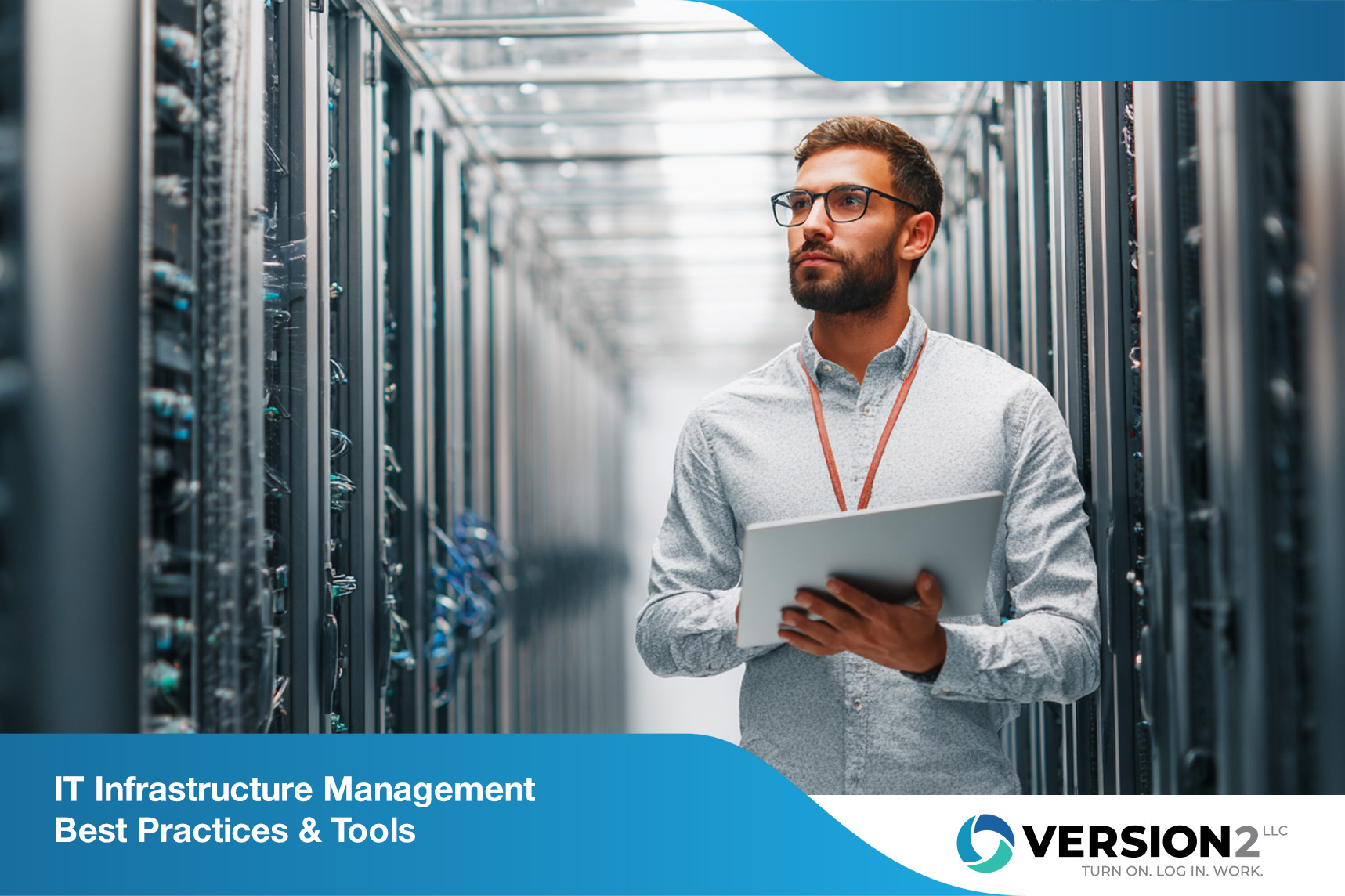
Managing your IT infrastructure is more than just keeping the lights on. It’s about making sure your systems are reliable, secure, and ready to support your business as it grows. In this blog, you’ll learn what IT infrastructure management is, why it matters, and how to do it right. We’ll cover key components, common mistakes, and practical steps to improve your setup. You’ll also get tips on tools, services, and strategies that help you manage your infrastructure effectively.
IT infrastructure management is the process of overseeing and maintaining all the technology systems that support your business operations. This includes servers, storage, networks, and software. It ensures everything runs smoothly and securely, from your email system to your customer databases.
A strong infrastructure manager helps keep systems updated, secure, and aligned with business goals. They use management tools to monitor performance, fix issues, and plan for future growth. This kind of management also includes network management, operating system updates, and managing cloud infrastructure. When done right, it supports better decision-making and reduces downtime.
Common mistakes that weaken your infrastructure management
Even with the best intentions, businesses often make mistakes that hurt their IT infrastructure. Here are some of the most common ones and how to avoid them.
Mistake #1: Ignoring regular updates
Skipping updates for software or hardware can lead to security risks and performance issues. Regular updates keep your systems secure and compatible with new technologies.
Mistake #2: Poor documentation
Not keeping records of your infrastructure setup makes troubleshooting harder. Good documentation helps your team understand what’s in place and how it works.
Mistake #3: Overlooking backups
Not having a reliable backup plan can be costly. If data is lost or systems crash, backups are your safety net. Test them regularly to make sure they work.
Mistake #4: No disaster recovery plan
Without a plan, recovering from a major outage or cyberattack takes longer. A clear disaster recovery plan helps you bounce back quickly and minimize damage.
Mistake #5: Using outdated hardware
Old equipment can slow down your systems and increase the risk of failure. Upgrading hardware and software regularly keeps your infrastructure efficient.
Mistake #6: Lack of monitoring tools
Without proper monitoring, issues can go unnoticed until they cause major problems. Use tools that alert you to performance drops or security threats.
Mistake #7: Not scaling with growth
As your business grows, your infrastructure should too. Failing to scale can lead to slow systems and frustrated users.
Key benefits of managing your IT infrastructure
Effective IT infrastructure management brings several advantages:
Reduces downtime and improves system reliability
Enhances data security and compliance
Supports better decision-making with accurate data
Helps control IT costs through better resource use
Makes it easier to scale as your business grows
Improves user experience for employees and customers
Why infrastructure management services matter
Infrastructure management services help businesses handle complex IT environments. These services include monitoring, maintenance, and support for all infrastructure components. By outsourcing to a reliable service provider, you gain access to expert knowledge and tools without hiring a full in-house team. These services are especially useful for managing cloud services, hardware and software, and software applications. They also help with systems management and ensure your infrastructure is always aligned with your business needs. Whether you're using on-premise systems or cloud infrastructure, these services can help you stay efficient and secure.
Strategies to optimize IT infrastructure management
Improving your infrastructure doesn’t have to be overwhelming. Here are some proven strategies that can help you get better results.
Strategy #1: Centralize your management tools
Using one platform to monitor and manage systems makes it easier to spot issues and take action. Look for tools that offer dashboards, alerts, and automation.
Strategy #2: Standardize your infrastructure components
Using consistent hardware and software across your systems simplifies maintenance and reduces compatibility issues. It also makes training easier for your team.
Strategy #3: Automate routine tasks
Automation reduces human error and saves time. Tasks like software updates, backups, and performance checks can be automated using modern tools.
Strategy #4: Monitor performance in real time
Real-time monitoring helps you catch problems early. It also gives you insights into how your systems are being used, so you can plan upgrades or changes.
Strategy #5: Train your team regularly
Your team should know how to use the systems and tools in place. Regular training ensures they can spot issues and follow best practices.
Strategy #6: Review and update policies
Policies around access, security, and usage should be reviewed often. Make sure they reflect current risks and technologies.
Strategy #7: Work with a trusted service provider
A good provider brings experience and tools that can improve your infrastructure. They can also help you plan for future needs.
Practical steps to implement better infrastructure management
Start by assessing your current setup. Identify what’s working and what needs improvement. Use this information to create a plan with clear goals. Focus on areas like performance, security, and scalability.
Next, choose the right tools and services. Look for solutions that fit your business size and needs. Don’t forget to involve your team—make sure they understand the changes and how to use new tools. Finally, track your progress and adjust as needed. Infrastructure management is not a one-time task; it’s an ongoing process.
Best practices for managing your IT infrastructure
Following best practices helps you avoid problems and get the most from your systems.
Keep all systems updated and patched
Use monitoring tools to track performance and security
Document your setup and changes clearly
Automate routine tasks to save time
Review your disaster recovery plan regularly
Train staff on tools and policies
These steps help create a stable, secure, and scalable infrastructure.
How Version 2 can help with IT infrastructure management
Are you a business with 10 to 100 employees looking for reliable IT infrastructure solutions? If you're growing and need better ways to manage your systems, we can help. Our team understands the challenges of scaling technology while keeping everything secure and running smoothly.
At Version 2, we offer infrastructure management services that fit your needs and budget. We help you avoid downtime, improve performance, and plan for the future. Whether you need help with cloud services, monitoring tools, or full systems management, we’re here to support you.
What does an infrastructure manager do for small businesses?
An infrastructure manager oversees the setup, maintenance, and performance of your IT systems. This includes managing infrastructure components like servers, networks, and storage. They also ensure that your systems are secure, up to date, and aligned with business goals.
They use management tools to monitor systems and fix issues before they become problems. For small businesses, having someone in this role—even part-time—can prevent costly downtime and improve overall efficiency.
How can I manage IT infrastructure without a full IT team?
You can manage IT infrastructure by using cloud infrastructure, automation tools, and managed services. These options reduce the need for a large in-house team. Cloud services also make it easier to scale and maintain systems remotely.
Using a service provider gives you access to experts who handle updates, security, and troubleshooting. This approach is cost-effective and ensures your systems stay reliable.
What are the key components of IT infrastructure?
The main components of IT infrastructure include hardware and software, networks, data storage, and cloud services. Each part plays a role in keeping your systems running.
You also need software applications and operating systems that support your business tasks. A well-designed infrastructure ensures all these parts work together smoothly.
Why is effective IT infrastructure management important?
Effective IT infrastructure management ensures your systems are reliable, secure, and ready to support your business. It reduces downtime and improves productivity.
It also helps you stay compliant with regulations and protect sensitive data. Management ensures that your systems grow with your business and adapt to new needs.
What tools help with infrastructure management?
There are many management solutions that help monitor and control your infrastructure. These include performance monitoring tools, backup systems, and automation platforms.
Some tools focus on specific areas like network management or systems management. Choosing the right tools depends on your business size and goals.
How do I choose the right infrastructure management services?
Look for a service provider with experience in your industry and business size. They should offer flexible services that match your needs.
Check if they support both on-premise and cloud infrastructure. Also, review their track record with security, uptime, and customer support. A good provider helps you manage risks and plan for growth.
Jeff founded Version2, LLC in 2007 to deliver enterprise-level IT solutions, specializing in virtualization and networking. During his free time he enjoys the outdoors while golfing and snowmobiling.
Learn why IT support for architecture is crucial, how managed IT services protect your firm, and practical steps to keep your projects secure and running smoothly.
Explore IT infrastructure optimization strategies, best practices, and assessment tips to improve performance, reduce costs, and keep your business technology running smoothly.
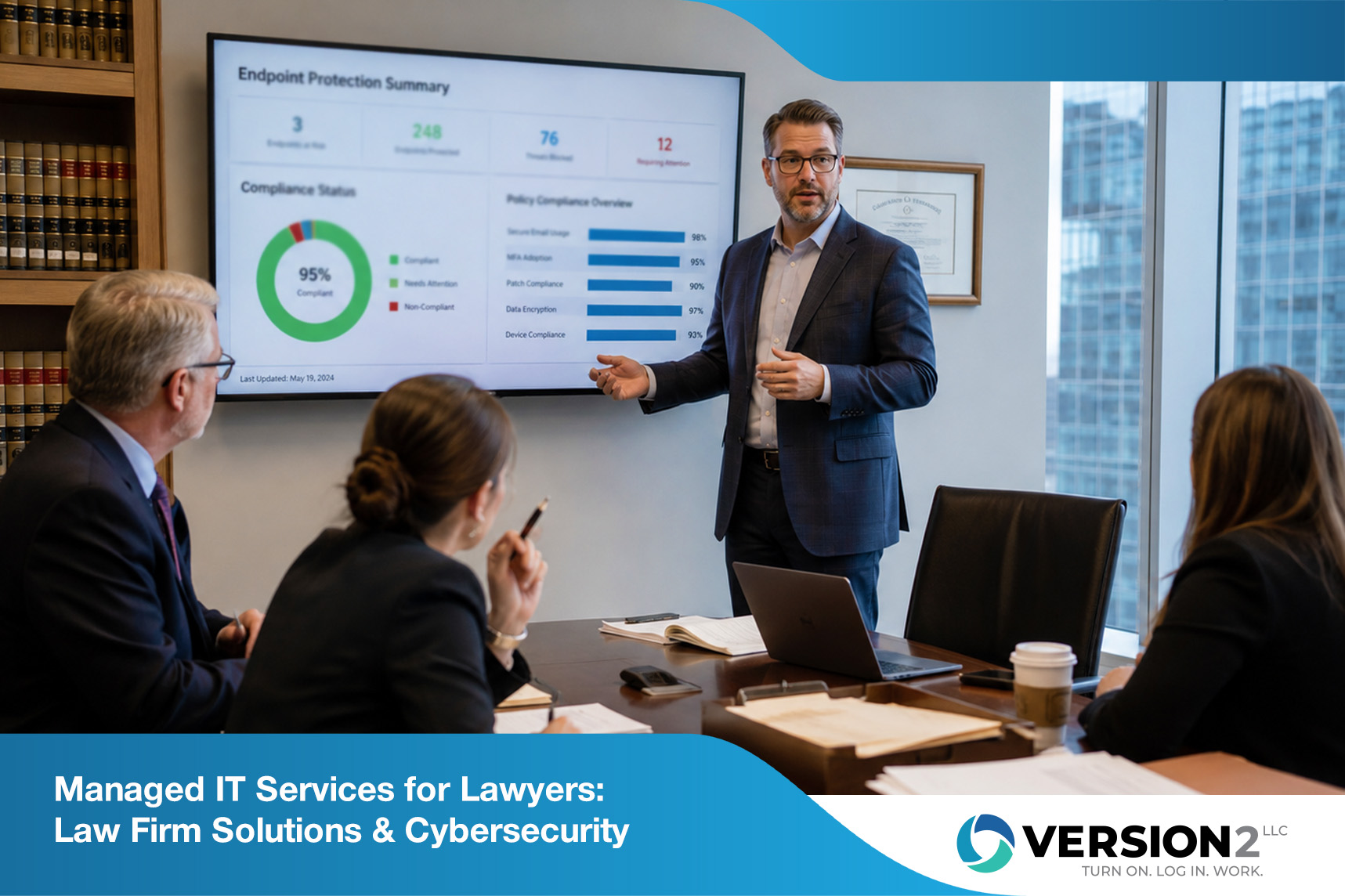
Explore managed IT services for lawyers, including cybersecurity, compliance, and IT support for attorneys. Learn how these solutions help law firms stay secure and productive.


%20(1).png)