
October 14, 2026
AI Business Solutions: Is the Fastest Path Really the Best Start?
Chasing visible AI projects first can delay the real gains—margin protection and efficiency—that come from automating your back office before customer-facing tools.


April 14, 2026
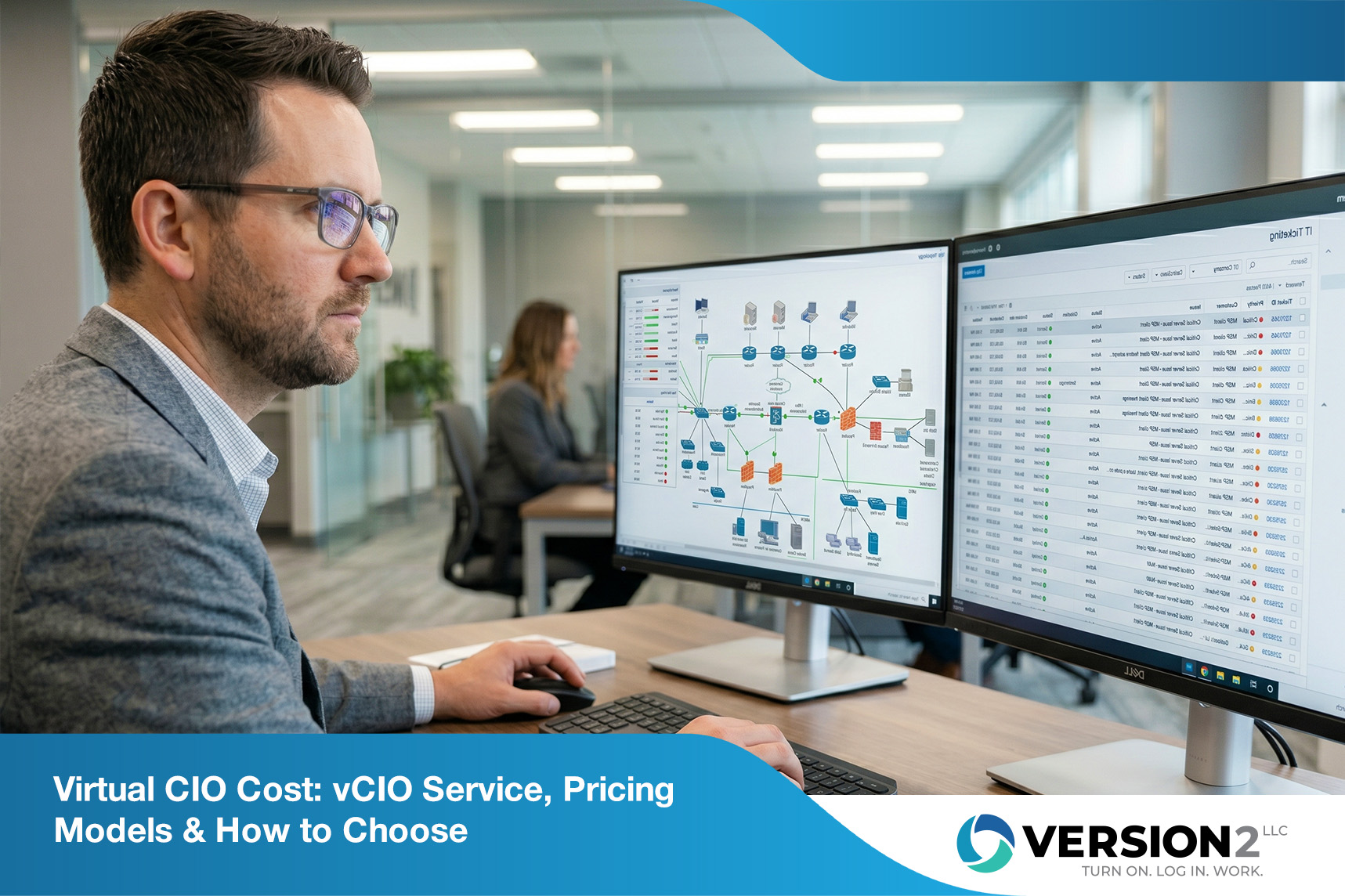
Understanding how much a virtual CIO costs is essential for any business aiming to get the most value from their IT investments. In this blog, you’ll learn what goes into virtual CIO pricing, how different pricing models work, and what to expect from a vCIO service. We’ll also cover the benefits, common challenges, and best practices for choosing the right virtual chief information officer to help your business reach its goals. Whether you’re considering managed IT services , need strategic oversight, or want to align with your business objectives, this guide will help you make informed decisions about your technology investments.
When you look at virtual CIO cost, you’re really looking at the price of strategic IT leadership without the expense of hiring a full-time chief information officer. Many businesses want the expertise of a CIO but don’t need someone on staff every day. That’s where virtual CIO services come in—they provide strategic input, technology planning, and oversight for a fraction of the cost of a traditional CIO.
Virtual CIO pricing varies based on your business needs. Some companies charge a flat monthly fee, while others use project-based or hourly pricing models. The right choice depends on how much ongoing strategic planning and support you need. By understanding these options, you can find a solution that fits your budget and aligns with your business goals.

Several factors impact what you’ll pay for a virtual CIO. Here are the main things to consider:
A virtual CIO with years of experience and a proven track record will usually cost more than someone new to the field. Their expertise can help your business avoid costly mistakes and make smarter technology decisions.
The more services you need—like cybersecurity oversight, vendor management, or digital transformation planning—the higher the cost. Some vCIOs focus on strategic planning, while others offer hands-on support for managing multiple IT projects.
If you need regular, ongoing support (like weekly or monthly meetings), expect to pay more than if you only need help on a quarterly or project-based basis. Ongoing strategic input can be valuable for businesses with long-term goals.
Businesses with complex networks, multiple locations, or strict compliance requirements may pay more for vCIO services. The more complex your environment, the more time and expertise your virtual CIO will need to provide strategic oversight.
Virtual CIO pricing models include flat-rate retainers, hourly billing, and project-based fees. Each model has its pros and cons, which we’ll explore in detail below.
If your vCIO is part of a broader managed IT services package, you might get a better rate. Bundling services can lead to cost savings and better budget predictability.
Pricing can vary by region and local demand. Some areas have higher rates due to increased competition or specific industry needs.
Choosing a virtual CIO comes with several key benefits:
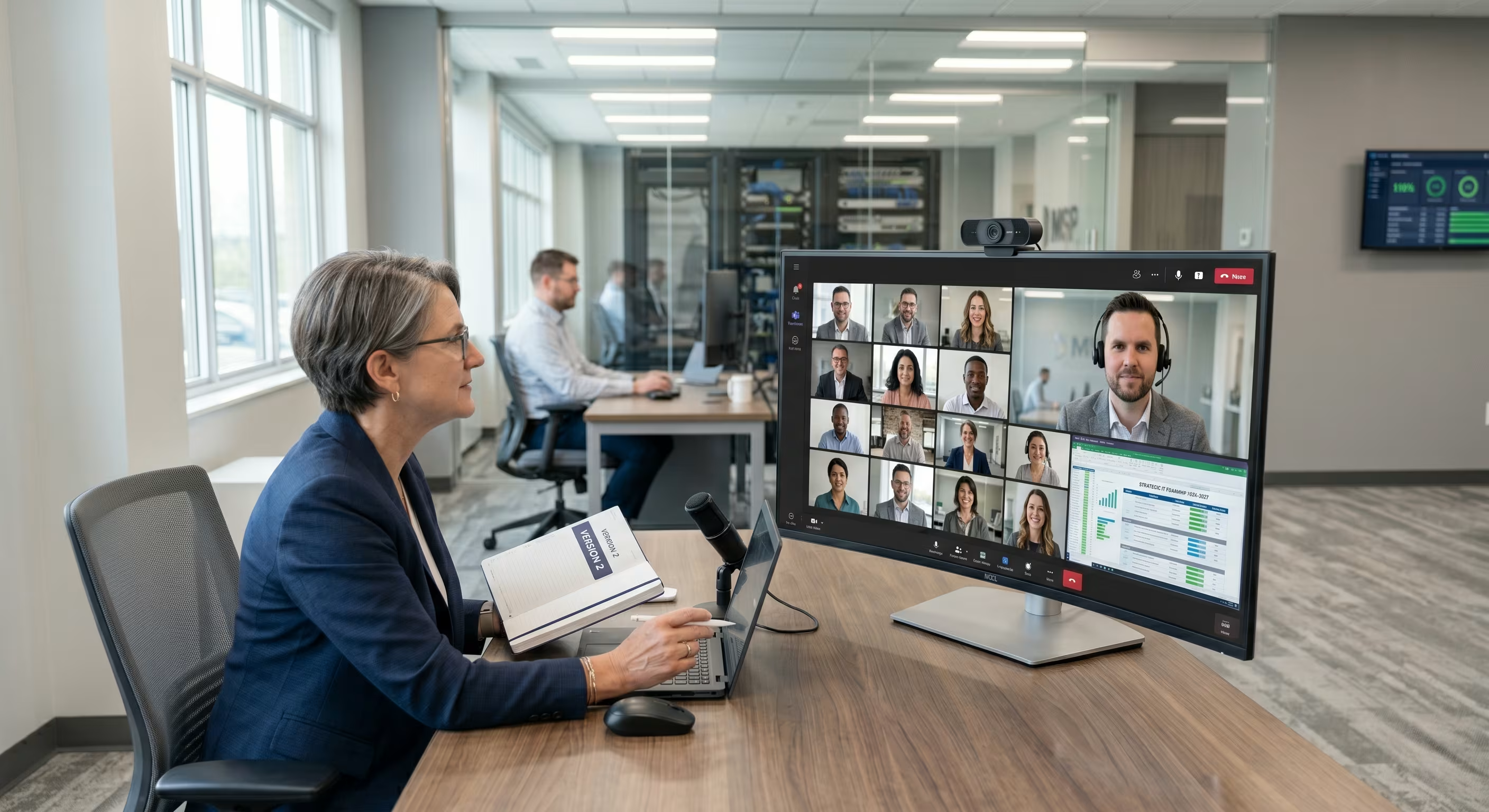
It’s important to understand the different ways vCIOs charge for their services. Pricing models can affect both your costs and the value you receive.
Some vCIOs use a flat monthly retainer, which provides predictable costs and ongoing support. This model works well if you need regular strategic planning and oversight. Others use hourly or project-based pricing, which can be more cost-effective if you only need help with specific projects or during busy periods.
Project-based pricing is often used for one-time initiatives like digital transformation or major technology upgrades. Hourly billing is common for consulting or troubleshooting. Each model has trade-offs, so it’s important to choose the one that matches your business needs and budget.
Selecting the best virtual CIO involves more than just comparing prices. Here’s a step-by-step approach to help you make the right decision:
Start by identifying your business objectives and the specific IT challenges you face. This will help you determine what level of vCIO service you need and what does a virtual CIO does for your organization.
Look for a vCIO with experience in your industry and a track record of helping businesses like yours. Industry knowledge can make a big difference in how well they understand your needs.
Review the different pricing options available. Consider whether a flat-rate retainer, hourly billing, or project-based fee structure makes the most sense for your situation.
Ask for references from other businesses that have used the vCIO’s services. Positive feedback and proven results are good signs that you’re making a solid investment.
Make sure you know exactly what’s included in the vCIO service package. Some providers offer only strategic planning, while others include hands-on support, vendor management, and cybersecurity oversight.
The right vCIO should fit well with your company culture and work style. Good communication and a shared understanding of your business goals are essential for a successful partnership.
Set up regular check-ins to review progress and adjust your vCIO’s role as your business evolves. This helps ensure you continue to get value from your investment.

Once you’ve chosen a virtual CIO, it’s important to set clear expectations and define roles. Make sure your team understands how the vCIO will work with your existing IT staff or managed service provider. Communication is key to making the most of your investment.
Establish measurable goals and review them regularly. This helps you track the impact of your vCIO and ensures their efforts are aligned with your long-term business objectives. Don’t be afraid to adjust the scope of services as your needs change—flexibility is one of the main advantages of virtual CIO services.
To get the most out of your vCIO partnership, keep these best practices in mind:
Following these steps can help your business achieve better technology outcomes and stronger ROI from your virtual CIO investment.

Are you a business with 10 to 100 employees looking for reliable IT leadership without the full-time CIO price tag? Growing businesses often need expert guidance to manage technology decisions, strategic planning, and ongoing IT challenges.
At Version 2, we understand the unique needs of companies like yours. Our team offers flexible vCIO service packages designed to fit your budget and business goals. Reach out today to see how we can help you get the most value from your virtual CIO cost.
A virtual CIO provides strategic IT leadership, helping your business set technology goals, manage vendors, and oversee cybersecurity. They work with you to align technology investments with your business needs, ensuring your IT supports your long-term objectives. By offering ongoing strategic input, a vCIO can help your business stay ahead of technology trends and avoid costly mistakes.
With a vCIO, you get access to high-level expertise without hiring a full-time chief information officer. This service is especially valuable for businesses managing multiple IT projects or looking to improve their digital transformation efforts.
Virtual CIO pricing is usually based on one of three models: flat-rate retainer, hourly billing, or project-based fees. A flat-rate retainer offers predictable costs and ongoing support, while hourly or project-based models are better for occasional needs or specific projects. Each pricing model has its advantages, so it’s important to choose the one that fits your business objectives and budget predictability.
Some providers may bundle vCIO services with managed IT services, which can lead to cost savings and a more integrated approach to technology management.
Hiring a vCIO gives your business access to strategic IT leadership, improved technology planning, and better risk management. A vCIO provides oversight for cybersecurity, vendor management, and technology investments, helping you make informed decisions that support your business goals.
You also gain flexibility, as vCIO services can be scaled up or down based on your needs. This means you only pay for the support you require, making it a smart investment for growing businesses.
To choose the right vCIO, start by assessing your business needs and the specific IT challenges you face. Look for a provider with experience in your industry, a strong track record, and a service package that matches your requirements. Good communication and a shared understanding of your business objectives are also important.
Check references and ask about their approach to strategic planning, ongoing support, and technology decision-making. This will help ensure you select a vCIO who can help your business achieve its goals.
Yes, a virtual CIO can play a key role in your digital transformation journey. They provide strategic oversight, help you assess technology options, and guide you through the process of updating your systems and workflows. Their expertise helps you align your technology investments with your long-term goals and business objectives.
By working closely with your team, a vCIO can help you manage change, reduce risks, and achieve better outcomes from your digital transformation projects.
A vCIO service provider should offer clear communication, regular strategy sessions, and measurable results. You can expect them to provide ongoing strategic input, help you manage technology decisions, and support your business as it grows. They should also be proactive in identifying risks and opportunities for improvement.
Look for a provider who is flexible, responsive, and committed to helping your business succeed. Regular reviews and open dialogue will help you get the most value from your vCIO partnership.
%20(1).png)
October 14, 2026
Chasing visible AI projects first can delay the real gains—margin protection and efficiency—that come from automating your back office before customer-facing tools.
September 30, 2026
Explore SOC security services, including what is SOC as a service, to help your business detect, respond to, and stay ahead of cyber threats effectively.
September 25, 2026
Learn why security awareness training for employees is essential, what to include, and how to build a safer workplace with practical, ongoing training programs.
