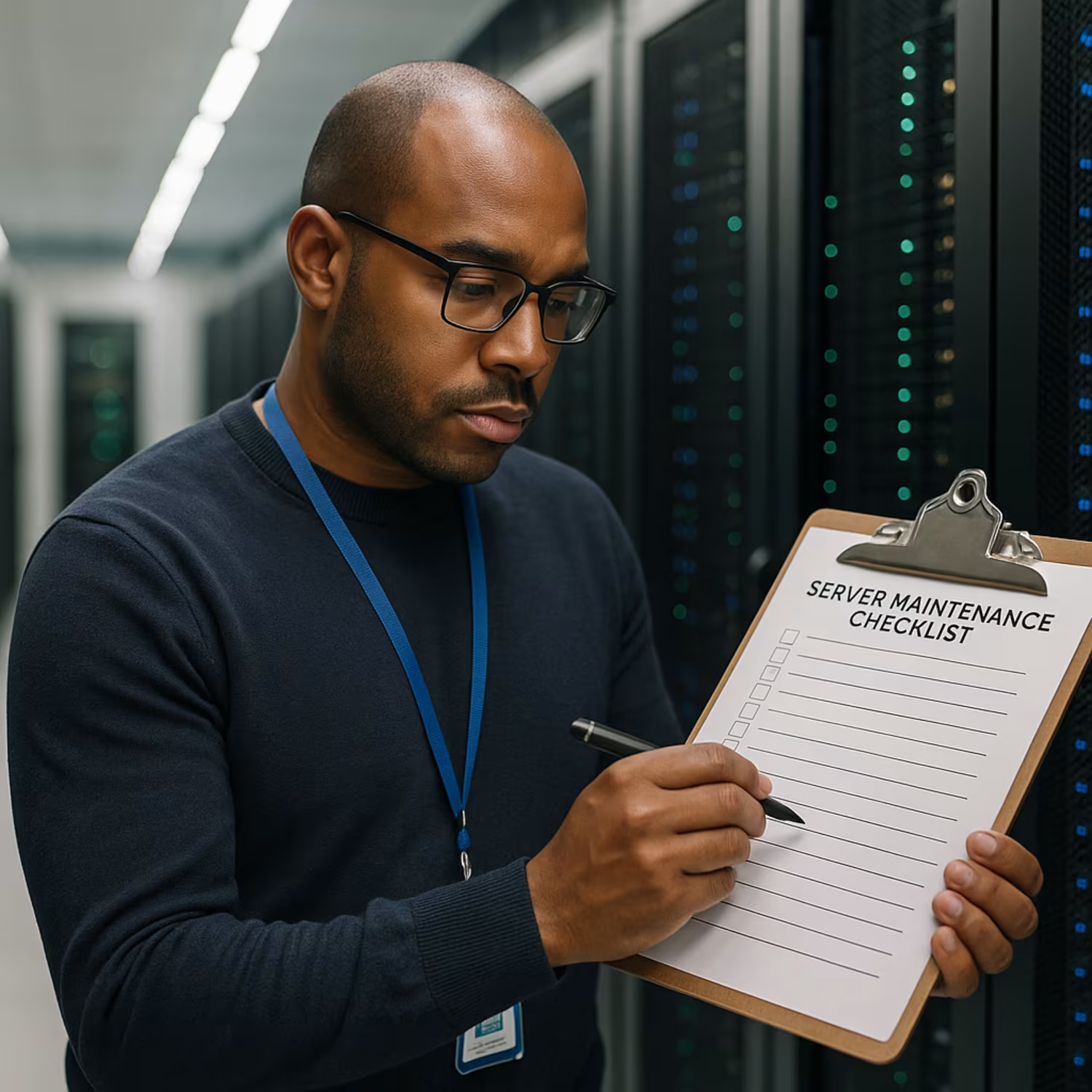
Keeping your servers healthy is critical to your business operations. Without regular maintenance, you risk data loss, security breaches, and costly downtime. In this guide, you’ll learn how to build a reliable server maintenance checklist, what tasks to prioritize, and how to apply best practices for both Windows and Linux servers. We’ll also cover tools, tips, and templates to help your server run smoothly and avoid hardware failure.
What is a server maintenance checklist and why it matters
A server maintenance checklist is a set of routine tasks designed to keep your servers secure, updated, and performing at their best. Whether you're managing a single server or a full server room, having a structured approach ensures nothing critical is overlooked.
Regular maintenance helps prevent unexpected downtime, improves server performance, and extends the life of your hardware. It also ensures compliance with security standards and reduces the risk of data loss. Without a checklist, it’s easy to forget essential tasks like checking server logs or updating your operating system (OS).
Key steps to include in your server maintenance checklist
A strong checklist covers everything from updates to backups. Here are the most important steps to include:
Step #1: Schedule regular updates
Apply software updates and patches to your OS and applications. This protects your server from known vulnerabilities and ensures compatibility with other tools. Set a recurring schedule to avoid delays.
Step #2: Perform data backups
Backups are your safety net. Make sure you back up critical data daily and test your restore process regularly. Use both onsite and offsite solutions for redundancy. You can learn more about data backup best practices to ensure your data is secure.
Step #3: Monitor server logs
Reviewing logs helps you spot unusual activity early. Look for login attempts, service errors, and performance issues. Automate log monitoring when possible.
Step #4: Check disk space and usage
Running out of disk space can crash your server. Monitor disk usage and clean up unnecessary files. Set alerts for when usage hits critical levels.
Step #5: Test server performance
Use built-in tools or third-party software to measure CPU, memory, and network usage. Identify bottlenecks and optimize workloads accordingly.
Step #6: Verify server security settings
Check firewall rules, antivirus software, and user permissions. Update passwords regularly and disable unused accounts to reduce risk.
Step #7: Review hardware health
Inspect server hardware for signs of wear. Check fans, power supplies, and hard drives. Replace failing components before they cause downtime.
Essential features of a reliable maintenance process
A good maintenance process includes these key features:
Clear documentation of all tasks and schedules
Automated alerts for performance or security issues
Secure access through a control panel or remote tools
Regular testing of backup and recovery processes
Role-based access to limit who can make changes
Integration with server management platforms
How to use a server maintenance checklist template effectively
Using a server maintenance checklist template saves time and ensures consistency. Templates help you standardize tasks across multiple servers and team members. Whether you manage Windows Server or Linux Server environments, a template ensures nothing is missed.
Customize your template based on your server type, business needs, and compliance requirements. For example, Linux servers may need different commands or log paths than Windows servers. Keep your checklist updated as your infrastructure evolves.
Tools and strategies to improve server maintenance
The right tools and strategies make server maintenance easier and more effective. Here are some worth considering:
Tool #1: Remote management tools
These let you access and manage servers from anywhere. Look for tools that support secure connections and multi-server environments.
Tool #2: Automated patch management
Automating updates reduces human error and ensures timely patching. Choose tools that support both OS and third-party software.
Tool #3: Disk cleanup utilities
Use these to remove temporary files, logs, and unused software. This helps free up space and improve performance.
Tool #4: Server monitoring dashboards
Dashboards give you real-time visibility into server resource usage. They help you spot trends and respond quickly to issues.
Tool #5: Password management systems
Securely store and rotate passwords for server access. This reduces the risk of unauthorized entry and simplifies audits.
Tool #6: Maintenance schedule automation
Automate recurring tasks like reboots, backups, and updates. This ensures consistency and reduces manual workload.
Practical steps to implement your checklist
Start by reviewing your current server setup. Identify gaps in your maintenance process and prioritize high-risk areas like backups and updates. Then, build or customize a checklist that fits your environment.
Assign responsibilities to your IT team and set a clear maintenance schedule. Use monitoring tools to track compliance and performance. Review and update your checklist quarterly to keep it aligned with business needs and technology changes.
Best practices for server monitoring and maintenance
Follow these best practices to keep your servers in top shape:
Monitor server resource usage daily to catch performance issues early
Limit access to the server room and secure physical hardware
Review server logs weekly to detect unusual activity
Apply server maintenance tips from trusted sources
Document every change to your server hardware or software
These practices help reduce downtime and improve overall server reliability.
How Version 2 can help with the server maintenance checklist
Are you a business with 10 to 100 employees looking to improve your server maintenance process? If you're growing and need a structured way to manage updates, backups, and server performance, we can help.
At Version 2, we specialize in helping businesses build and follow a reliable server maintenance checklist. Our team handles everything from setup to ongoing support, so you can focus on running your business. Let’s talk about how we can support your IT needs.
What should I include in a basic server maintenance checklist?
A basic checklist should cover updates, backups, and server management tasks. Include steps like checking logs, monitoring disk usage, and applying software updates. These help reduce downtime and keep your server running smoothly.
Also, don’t forget to change your password policies regularly and test your data backup process. These simple steps can prevent major issues later.
How often should I update my server software?
You should update your server software at least once a month. This includes OS patches, control panel updates, and application fixes. Regular maintenance ensures your system stays secure and compatible.
Use remote management tools to automate updates when possible. This saves time and reduces the risk of missing critical patches.
Why is server backup important for small businesses?
Backups protect your data from hardware failure, cyberattacks, or accidental deletion. For small businesses, losing data can mean lost revenue or customer trust. A reliable backup system is essential.
Make sure to back up your hard drive daily and store copies offsite. Test your restore process regularly to ensure it works.
How do I monitor server logs effectively?
Set up automated tools to collect and analyze server logs. Focus on login attempts, error messages, and unusual activity. This helps you catch issues early.
Monitoring logs also improves server performance by identifying slow processes or failing services. It’s a key part of regular maintenance.
What’s the difference between Windows Server and Linux Server maintenance?
Windows Server often uses a graphical control panel, while Linux Server relies on command-line tools. Maintenance tasks are similar but use different methods.
For example, software updates and log file locations differ between the two. Choose tools and templates that match your server OS.
How do I create a server maintenance checklist for 2026?
Start by reviewing your current checklist and identifying gaps. Add new tasks based on updated best practices and compliance rules. Use a server maintenance checklist template to stay organized.
Include tasks like reviewing server resource usage, updating passwords, and checking the server room environment. Keep your server ready for the year ahead.
Explore how IT support for construction helps companies avoid downtime, secure data, and keep projects on track with specialized services tailored to the construction industry.
Learn why disaster recovery planning is essential for protecting your business from downtime and data loss, and how to create a plan that ensures rapid recovery.
Discover how cybersecurity solutions protect your business. Learn key features, compliance tips, and practical steps to choose the right cybersecurity company.


%20(1).png)