
October 23, 2026
IT Budget Forecasting: Why the Same Gaps Keep Costing You
Spotting these blind spots lets you stop repeating the same costly mistakes and finally see results that match your IT plans.


April 25, 2026
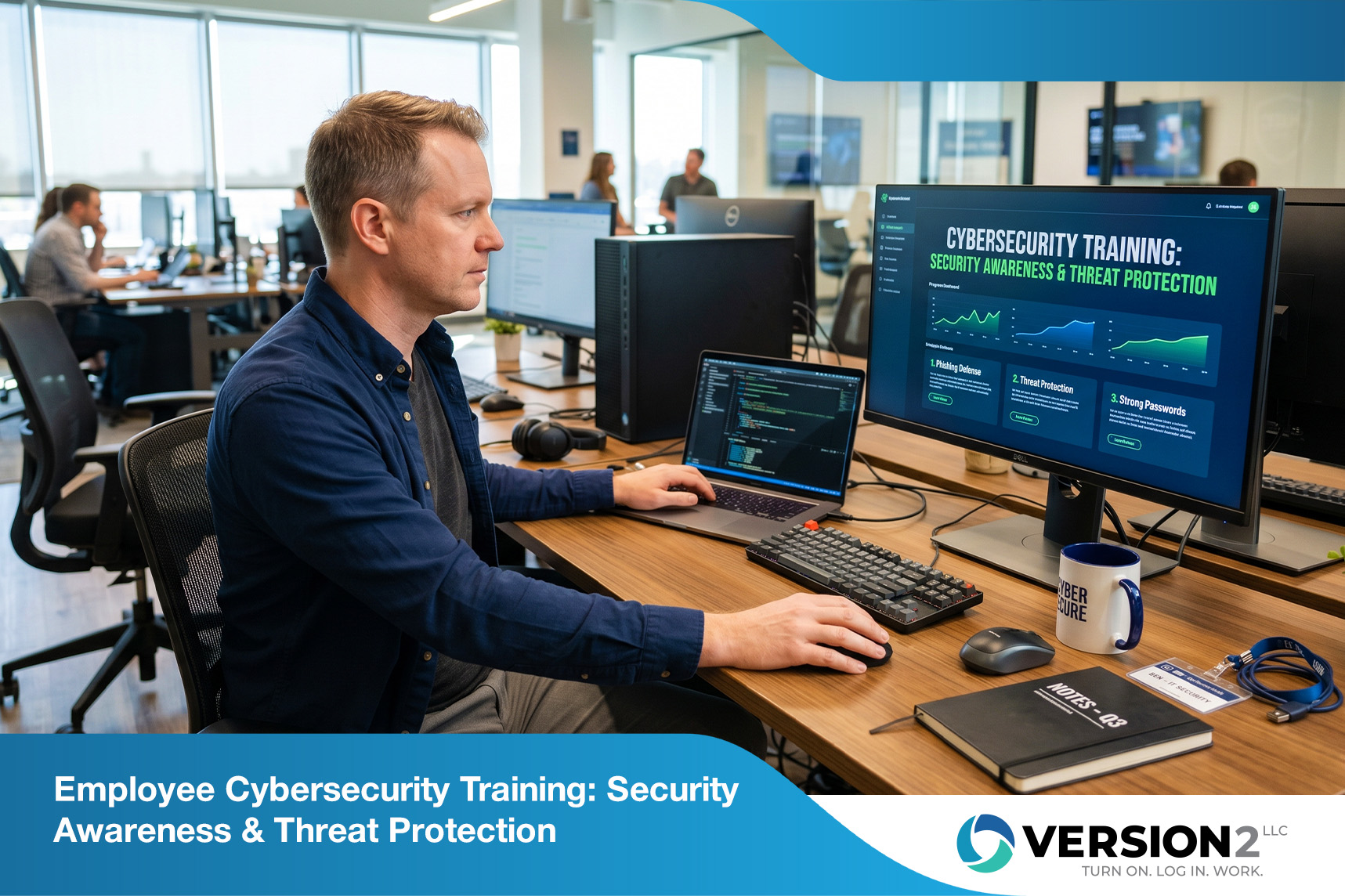
Employee cybersecurity training is more than just a checkbox—it’s a vital part of protecting your business from cyber threats. As digital attacks become more sophisticated, companies need to ensure their teams are ready to spot and stop risks. In this blog, you’ll learn why security awareness training matters, what makes a strong training program, and how to avoid common mistakes. We’ll also cover the benefits of advanced email protection for businesses, the most reliable email security for business email threats, and practical steps to keep your sensitive data safe.
Employee cybersecurity training teaches your staff how to recognize and respond to online threats. It covers topics like phishing, password safety, and how to handle sensitive data. With more businesses relying on digital tools, even one mistake can lead to a major security breach.
A good training program helps employees understand the risks and gives them the skills to protect company information. It also supports compliance with industry rules, which is especially important for businesses handling personal or financial data. By investing in regular training, you reduce the chance of costly cyber attacks and build a culture of security awareness.
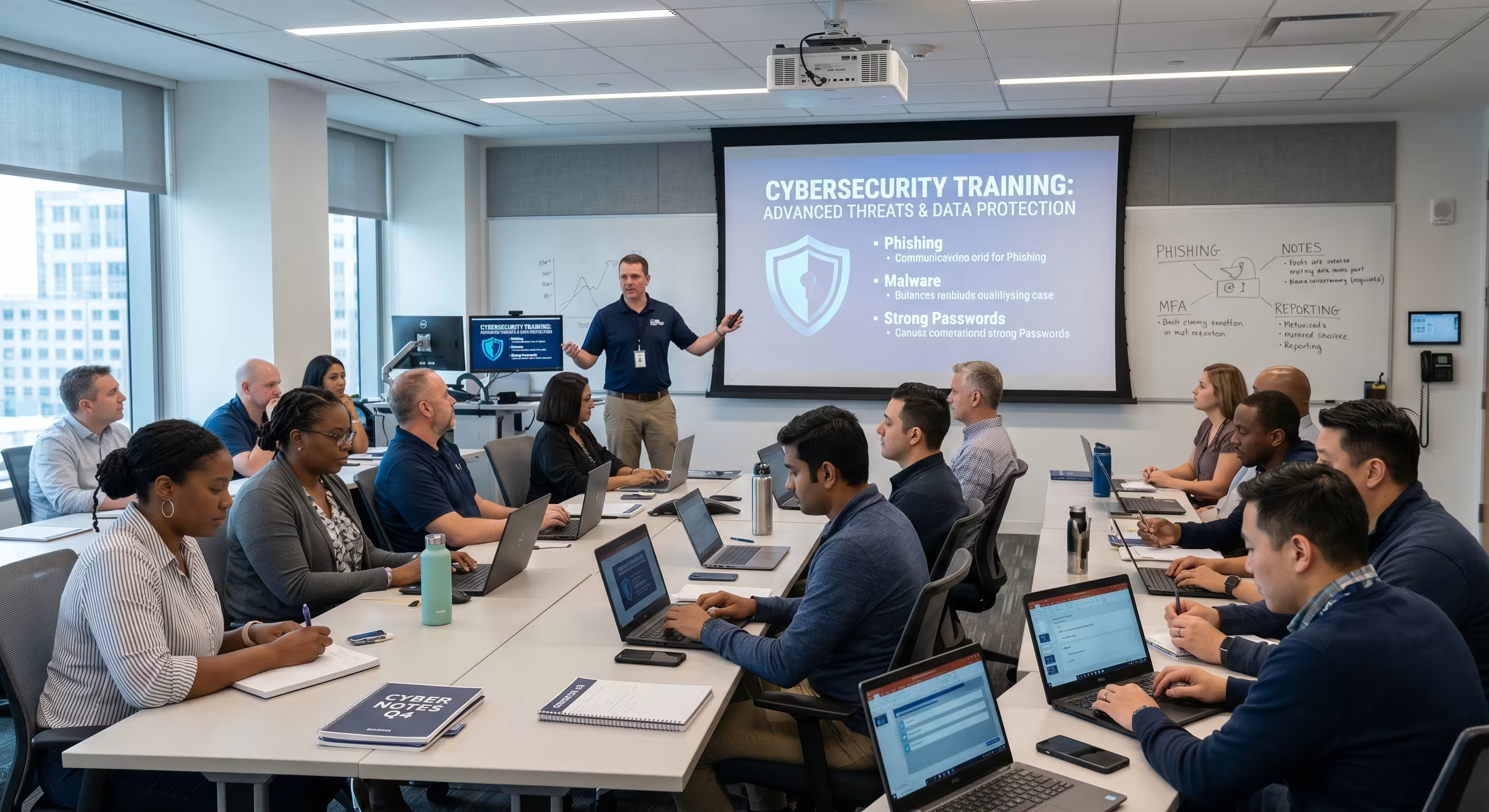
Even the best intentions can fall short if you miss key steps. Here are some frequent mistakes companies make and how to avoid them.
Many businesses run a single training session and consider the job done. Cyber threats change quickly, so training should be ongoing. Regular updates keep your team alert to new risks.
If your training isn’t tailored to your company’s needs, employees may tune out. Personalize your program to address the specific threats your business faces.
Phishing is one of the most common attack methods. Without real-world simulations, employees may not recognize suspicious emails. Simulations help them practice safe responses.
Weak or reused passwords are a major security gap. Training should include best practices for creating and managing strong passwords.
If you don’t track progress, you won’t know if your training is effective. Use quizzes, surveys, or simulated attacks to measure improvement and adjust your approach.
When leaders don’t participate, employees may not take training seriously. Leadership involvement sets the tone for a security-focused culture.
A strong training program offers several important advantages:

Security awareness training is not just about avoiding problems—it’s about enabling your business to grow safely. When employees understand how to protect information, they become active participants in your company’s defense. This is especially important for businesses that handle large amounts of sensitive data or operate in regulated industries.
By making security part of your daily routine, you can respond faster to threats and recover more quickly if something goes wrong. Training also helps you meet legal and industry requirements, reducing the risk of fines or penalties. In the long run, investing in employee cybersecurity training saves money and protects your business’s reputation.
Creating an effective training program takes planning and commitment. Here’s how to get started and keep your efforts on track.
Start by identifying the most likely threats to your business. This could include phishing emails, ransomware, or insider threats. Knowing your risks helps you focus your training where it matters most.
Decide what every employee needs to know and how often they should be trained. Make sure your program meets any legal or industry standards that apply to your business.
Select training materials that are easy to understand and relevant to your team’s daily work. Interactive courses or short videos can keep employees engaged.
Use examples and simulations that reflect actual threats your employees might face. This helps them apply what they learn to real situations.
Ask employees for feedback on the training. Use their suggestions to make the program better over time.
Celebrate employees who complete training or demonstrate strong security habits. Recognition encourages others to take training seriously.
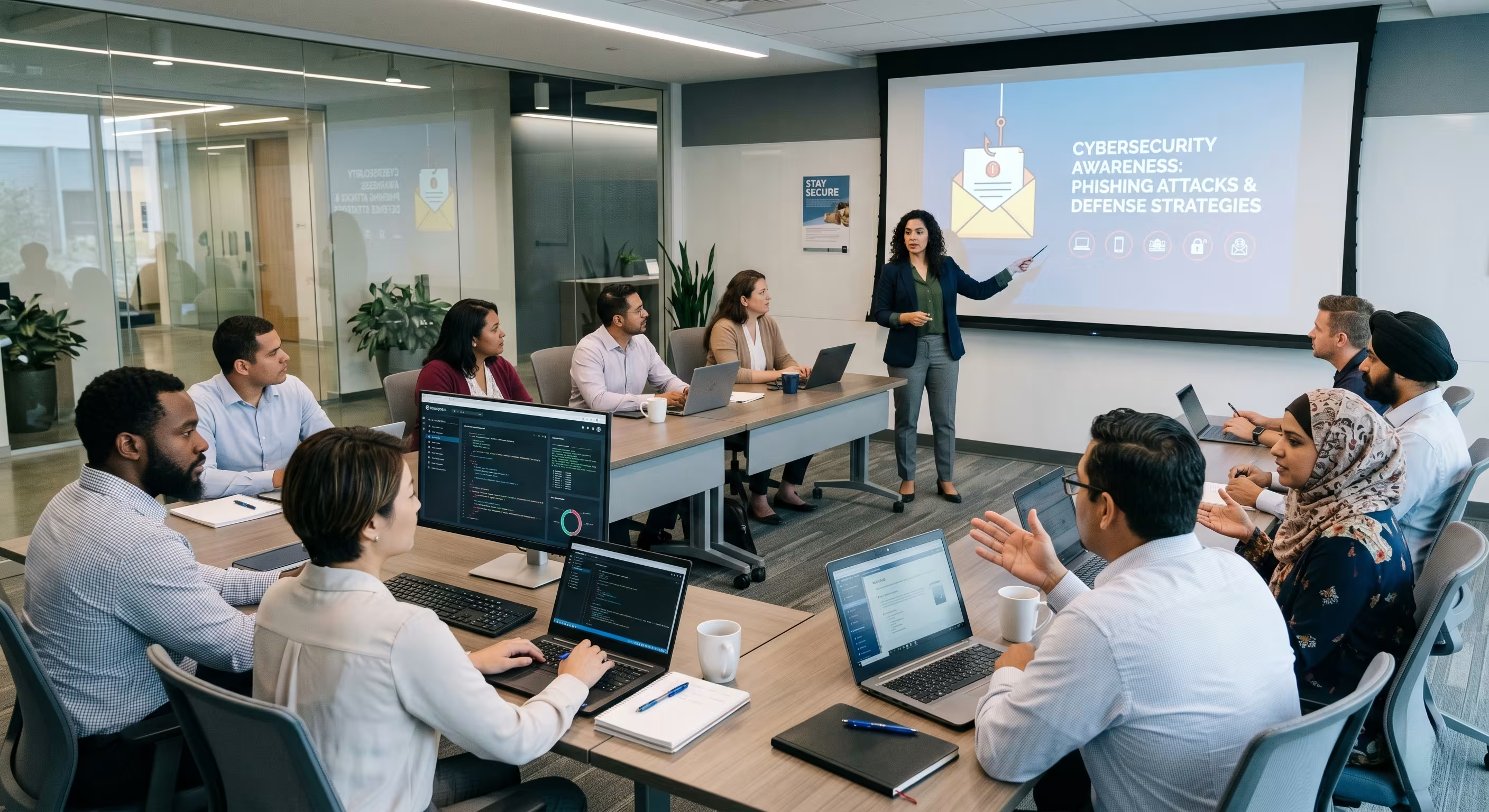
Rolling out a training program doesn’t have to be overwhelming. Start with a clear plan and involve your team from the beginning. Assign someone to oversee the program and set regular check-ins to review progress.
Use a mix of training methods, like online courses, in-person sessions, and simulated attacks. Make sure employees know who to contact if they have questions or spot a potential threat. Finally, update your training regularly to keep up with new risks and technology changes.
Follow these tips to get the most out of your employee cybersecurity training:

Are you a business with 10 to 100 employees looking to strengthen your defenses? Growing companies need reliable systems to protect sensitive data and meet evolving security requirements. Our team understands the unique challenges faced by businesses of your size.
We offer personalized employee cybersecurity training programs that combine the latest technology with practical, easy-to-understand guidance. If you want to reduce risk and build a culture of security awareness, contact us today to learn how we can help.
Regular updates are important because cybersecurity threats change quickly. Most experts recommend reviewing and updating your training program at least once a year, or whenever new risks are identified. This keeps your employees aware of the latest tactics used by attackers and helps your business stay compliant with current regulations.
By making updates a routine part of your security training, you ensure your team is always prepared. Consistent awareness training also reinforces good habits and keeps security top of mind for everyone.
A strong program covers essential topics like phishing, password safety, and how to handle sensitive data. You should also include safe internet use, recognizing suspicious emails, and steps to take if a threat is detected. Tailor your content to match the risks your business faces.
Including real-life examples and interactive modules helps employees understand why these topics matter. This approach makes the training more engaging and effective.
Track participation rates, quiz scores, and results from simulated phishing attacks to see how well your employees are learning. Look for improvements in how quickly and accurately staff report suspicious activity. These metrics help you identify areas where more training may be needed.
Regularly reviewing these results also shows your investment in cybersecurity is paying off. Over time, you should see fewer mistakes and stronger overall security.
Certification isn’t always required, but it can add credibility to your training program. Some industries or clients may expect proof that your team has completed recognized courses. Certification can also motivate employees to take training seriously.
If you decide to offer certification, choose programs that match your business needs. This ensures your team gains practical skills, not just a certificate.
AI can make training more effective by personalizing content and identifying gaps in employee knowledge. For example, AI tools can analyze quiz results and suggest topics for review. They can also simulate realistic phishing attacks to test your team’s responses.
Using AI in your training program helps you stay ahead of new threats. It also saves time by automating routine tasks and providing instant feedback.
Small businesses should focus on practical, easy-to-understand training that covers the basics: recognizing phishing, protecting passwords, and reporting threats. Make sure your program fits your company’s size and industry.
Clear training requirements help employees know what’s expected of them. Regular refreshers and simple reporting steps make it easier for everyone to follow best practices.
%20(1).avif)
October 23, 2026
Spotting these blind spots lets you stop repeating the same costly mistakes and finally see results that match your IT plans.

October 14, 2026
Chasing visible AI projects first can delay the real gains—margin protection and efficiency—that come from automating your back office before customer-facing tools.
September 30, 2026
Explore SOC security services, including what is SOC as a service, to help your business detect, respond to, and stay ahead of cyber threats effectively.
