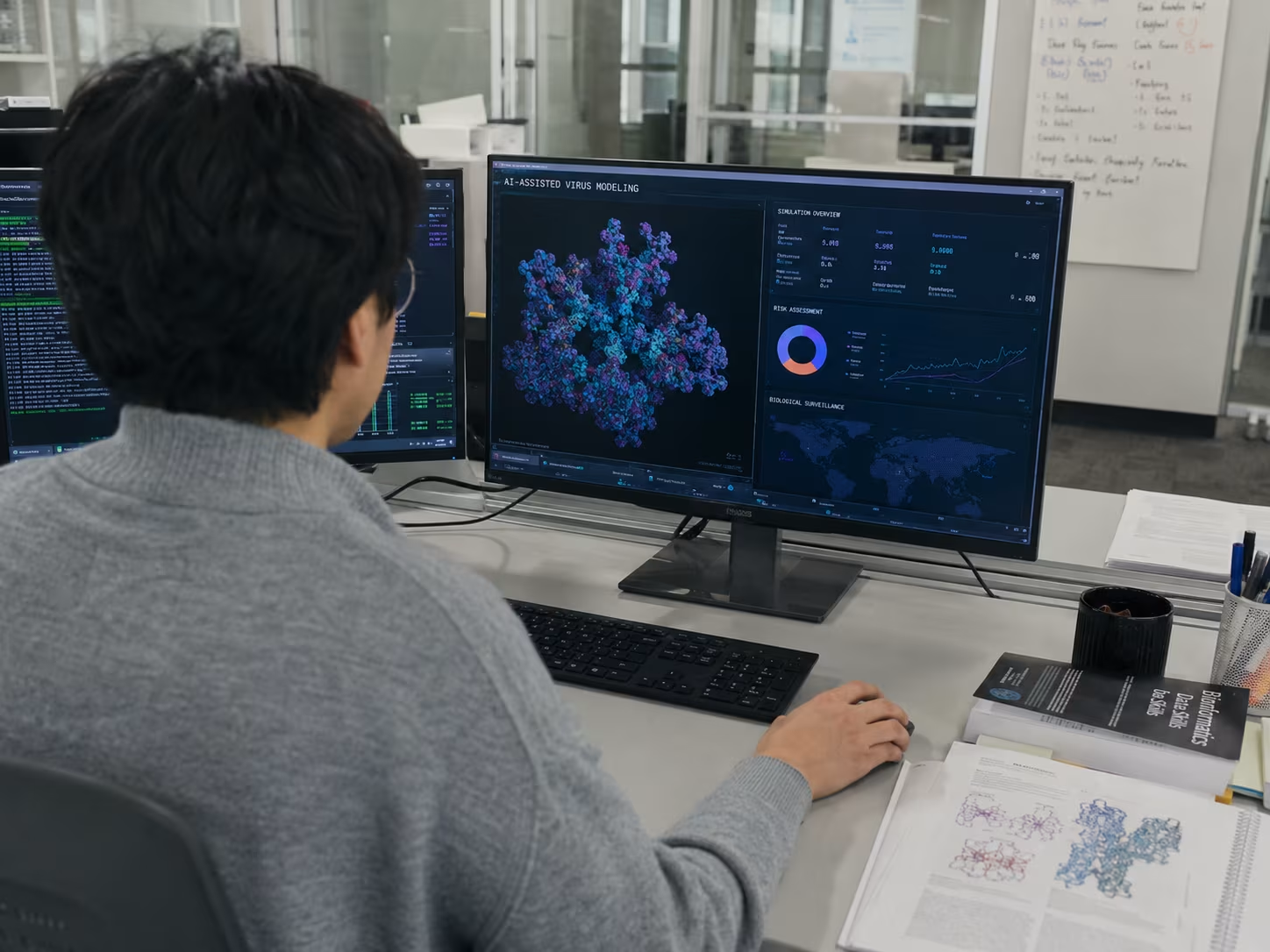
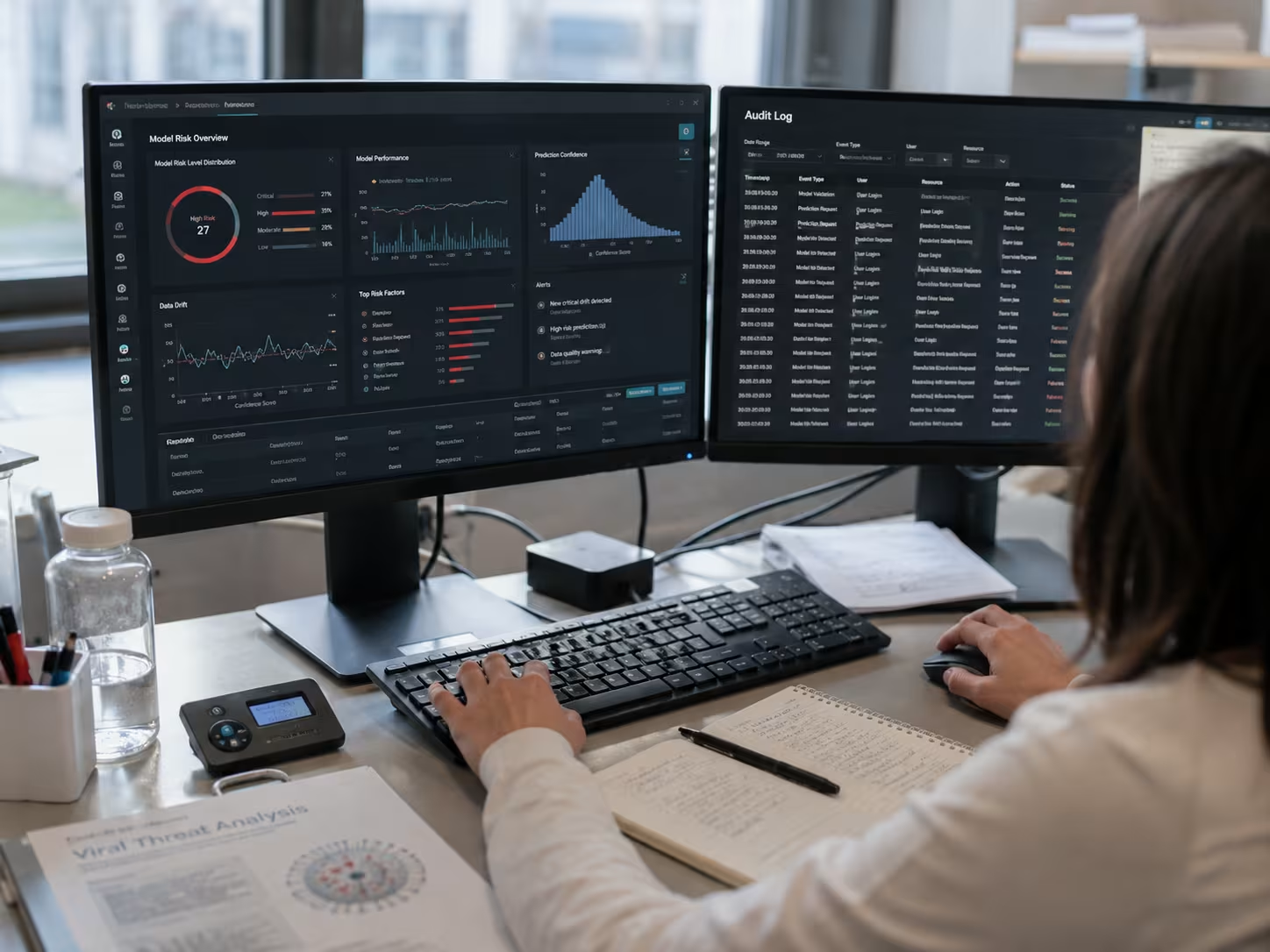
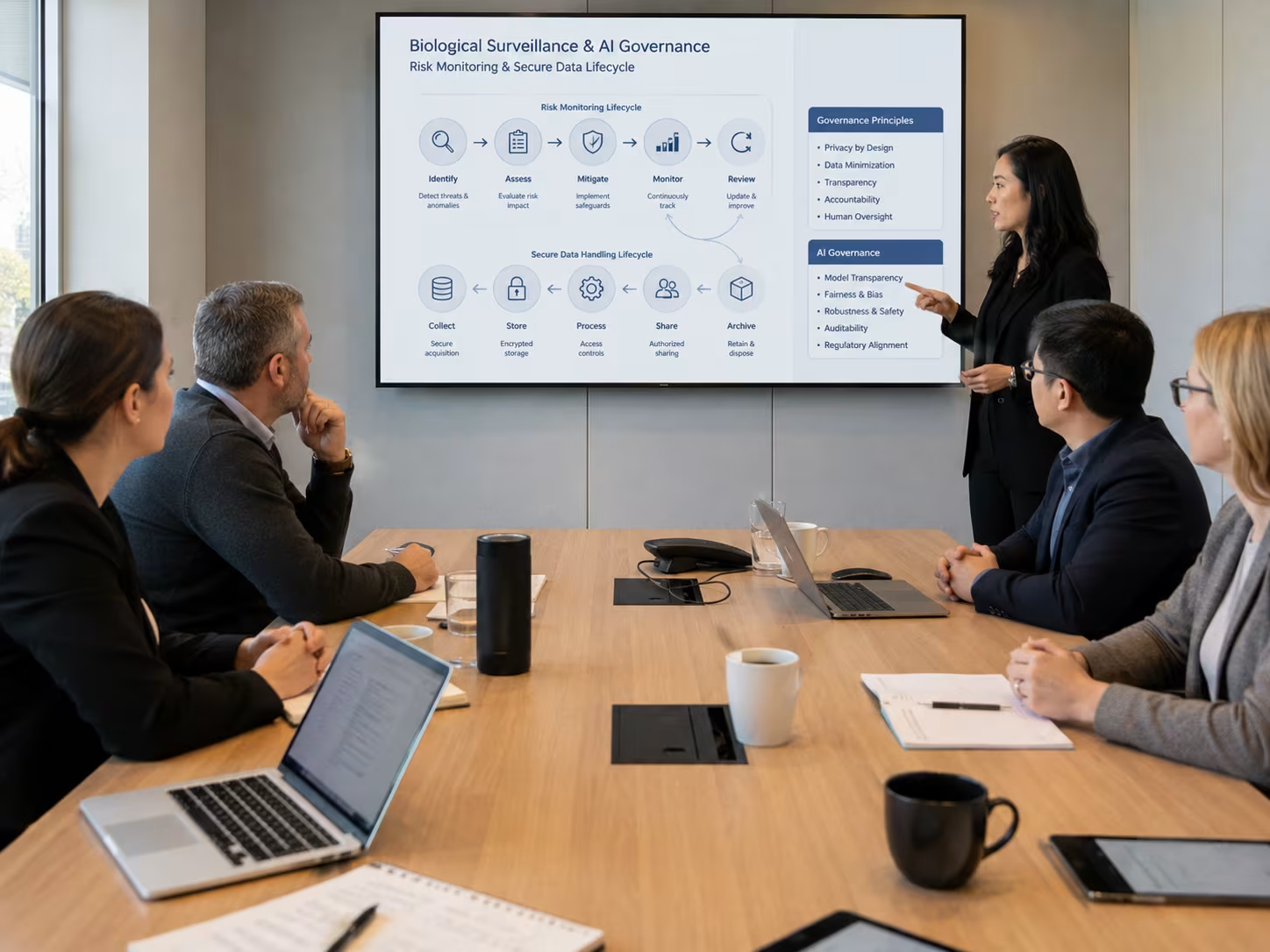
Artificial intelligence is changing how we think about viruses and security. Businesses need to understand what an AI virus is, how it works, and the risks it brings. In this blog, you'll learn what makes AI viruses unique, how they are designed, and why they matter for companies of all sizes. We'll also cover detection strategies, key benefits, challenges, and practical steps for protecting your organization. Topics like genome analysis, protein structure, and artificial intelligence in virus detection will be explained in simple terms.
Understanding the basics of AI virus
AI viruses are not like traditional computer viruses. They use artificial intelligence to adapt, learn, and sometimes even change their own code. This makes them harder to detect and stop. For businesses, this means that old security tools may not be enough to protect your data and systems.
AI viruses can target both digital and biological systems. In the digital world, they can act like malware, but with the ability to evolve and avoid detection. In the biological world, researchers use AI to design viruses for studying diseases or developing new treatments. However, the same technology could be misused, so understanding the basics is important for any organization.
Key strategies for managing AI virus risks
AI viruses present new challenges, but there are clear strategies to help keep your business safe. Here are some of the most important steps you can take:
Strategy 1: Invest in modern detection tools
AI viruses can hide from traditional antivirus programs. Using advanced detection tools that also use artificial intelligence helps you spot threats faster and more accurately. These tools learn from new threats and adapt over time.
Strategy 2: Focus on employee training
Many AI viruses rely on tricking people into clicking links or downloading files. Training your team to recognize suspicious emails and websites is one of the simplest ways to reduce risk. Regular training keeps everyone alert to new tactics.
Strategy 3: Update your systems regularly
Outdated software is an easy target for AI viruses. Make sure your operating systems, applications, and security tools are always up to date. Automatic updates can help, but regular checks are still important.
Strategy 4: Use multi-layered security
No single tool can stop every threat. Combining firewalls, antivirus, and ai-powered monitoring creates multiple barriers for AI viruses to overcome. This layered approach makes it much harder for a virus to succeed.
Strategy 5: Monitor network activity
AI viruses often try to move quietly through your network. Monitoring network traffic for unusual patterns can help you spot problems early. Quick action can prevent a small issue from becoming a major breach.
Strategy 6: Have a response plan
Even with strong defenses, no system is perfect. Having a clear plan for responding to an AI virus attack helps your team act quickly and limit damage. Practice your plan regularly so everyone knows their role.
Essential benefits of AI virus detection
AI-powered virus detection offers several important advantages for businesses:
Faster identification of new threats, reducing the time viruses can cause harm.
Improved accuracy by learning from past attacks and adapting to new tactics.
Reduced false alarms, so your team can focus on real risks.
Better protection for sensitive data and business operations.
Enhanced ability to spot both digital and biological threats.
Scalable solutions that grow with your business needs.
The role of design and biological factors in AI virus development
The design of an AI virus is complex. Developers use artificial intelligence to create viruses that can change their behavior based on the environment. This makes them unpredictable and harder to stop. In some cases, AI is used to design viruses for research in the life sciences, such as studying how pathogens spread or testing new treatments.
Biological factors also play a role. For example, AI can analyze the genome of a virus to predict how it might mutate or spread. This helps scientists develop better vaccines and treatments. However, these same tools could be used to create more dangerous viruses if they fall into the wrong hands. Understanding both the design and biological aspects is key for any business concerned about security.
Surveillance and genomic monitoring for AI viruses
Keeping track of AI viruses requires strong surveillance and genomic monitoring. Here are some important steps:
Step 1: Set up real-time surveillance systems
Real-time surveillance helps you spot AI viruses as soon as they appear. These systems use AI to scan for unusual activity and alert your team right away.
Step 2: Use genomic analysis tools
Genomic tools can analyze the DNA or RNA of biological viruses. This helps identify new strains quickly and track how they spread. For digital AI viruses, similar tools can analyze code changes and spot new threats.
Step 3: Work with life sciences experts
Partnering with experts in the life sciences ensures you have the latest information about biological threats. These experts can help interpret genomic data and recommend the best response.
Step 4: Share information with trusted partners
Sharing threat data with other organizations helps everyone stay ahead of new AI viruses. Many industries have networks for sharing this kind of information securely.
Step 5: Regularly review surveillance data
Reviewing your surveillance data helps you spot trends and prepare for future threats. Set aside time each month to go over the latest reports and adjust your defenses as needed.
Step 6: Update protocols for infectious threats
As new AI viruses emerge, update your protocols to address them. This includes both digital and biological threats. Make sure your team knows what to do if a new virus is detected.
Practical steps for implementing AI virus protection
Protecting your business from AI viruses takes planning and action. Start by assessing your current security systems and identifying any gaps. Invest in AI-powered tools that can detect and respond to new types of threats. Make sure your team is trained and ready to act if a virus is detected.
Regularly review your security policies and update them as needed. Work with trusted partners to stay informed about the latest risks. By taking these steps, you can reduce the chances of an AI virus causing harm to your business.
Best practices for managing AI virus risks
Managing AI virus risks requires a proactive approach. Here are some best practices to follow:
Train employees to recognize and report suspicious activity.
Use AI-powered detection tools for both digital and biological threats.
Keep all systems and software updated with the latest security patches.
Monitor network activity for signs of unusual behavior.
Develop and test a clear response plan for virus incidents.
Collaborate with industry partners to share threat intelligence.
Following these practices helps keep your business safe and prepared for new challenges.
How Version 2 Can Help with AI virus
Are you a business with 10 to 100 employees looking to protect your growing team from AI virus threats? As your company expands, the risks from AI and viruses also increase, making advanced protection more important than ever.
We understand the challenges of keeping up with evolving threats. Our team at Version 2 specializes in helping businesses like yours detect, prevent, and respond to AI virus risks. Contact us today to learn how we can support your security needs.
Frequently asked questions
What is an AI virus and how does it differ from traditional viruses?
An AI virus is a type of threat that uses artificial intelligence to adapt and change its behavior. Unlike traditional viruses, it can learn from its environment and avoid detection by security tools. This makes it more challenging for businesses to protect their systems.
AI and viruses together create new risks for companies. Understanding the difference helps you choose the right protection and stay ahead of evolving threats.
How can AI-designed viruses impact small and medium businesses?
AI-designed viruses are created using advanced design techniques and artificial intelligence. They can target specific industries or business sizes, making them a real concern for small and medium businesses.
By using AI, these viruses can bypass standard security measures. It's important to use updated tools and train your team to recognize potential threats.
What role does biological research play in AI virus development?
Biological research helps scientists understand how viruses work at the genome and protein level. AI can analyze this data to predict how viruses might change or spread.
This information is valuable for developing treatments, but it can also be used to design more advanced viruses. Businesses should be aware of these developments to better prepare their defenses.
How does surveillance help detect AI viruses early?
Surveillance systems use artificial intelligence to monitor for signs of AI viruses. These systems can spot unusual patterns in network activity or biological samples.
Early detection is key to stopping the spread of infectious threats. Regular surveillance and quick action help limit the impact on your business.
Why is genomic analysis important for managing AI virus threats?
Genomic analysis allows experts to study the sequence of a virus and spot changes quickly. This is important for both digital and biological threats.
By understanding how a virus evolves, you can update your defenses and respond faster. Genomic tools are a valuable part of any security strategy.
What practical steps can businesses take to reduce AI virus risks?
Businesses can reduce risks by keeping software updated, training employees, and using AI-powered detection tools. Regular reviews of your security policies are also important.
Working with trusted partners and sharing threat information helps everyone stay safer. Taking these steps makes it harder for AI viruses to succeed.
Jeff founded Version2, LLC in 2007 to deliver enterprise-level IT solutions, specializing in virtualization and networking. During his free time he enjoys the outdoors while golfing and snowmobiling.
Explore how IT support for construction helps companies avoid downtime, secure data, and keep projects on track with specialized services tailored to the construction industry.
Learn why disaster recovery planning is essential for protecting your business from downtime and data loss, and how to create a plan that ensures rapid recovery.


%20(1).png)