
October 9, 2026
AI Business Solutions: Is the Fastest Path Really the Best Start?
Chasing visible AI projects first can delay the real gains—margin protection and efficiency—that come from automating your back office before customer-facing tools.


May 15, 2026
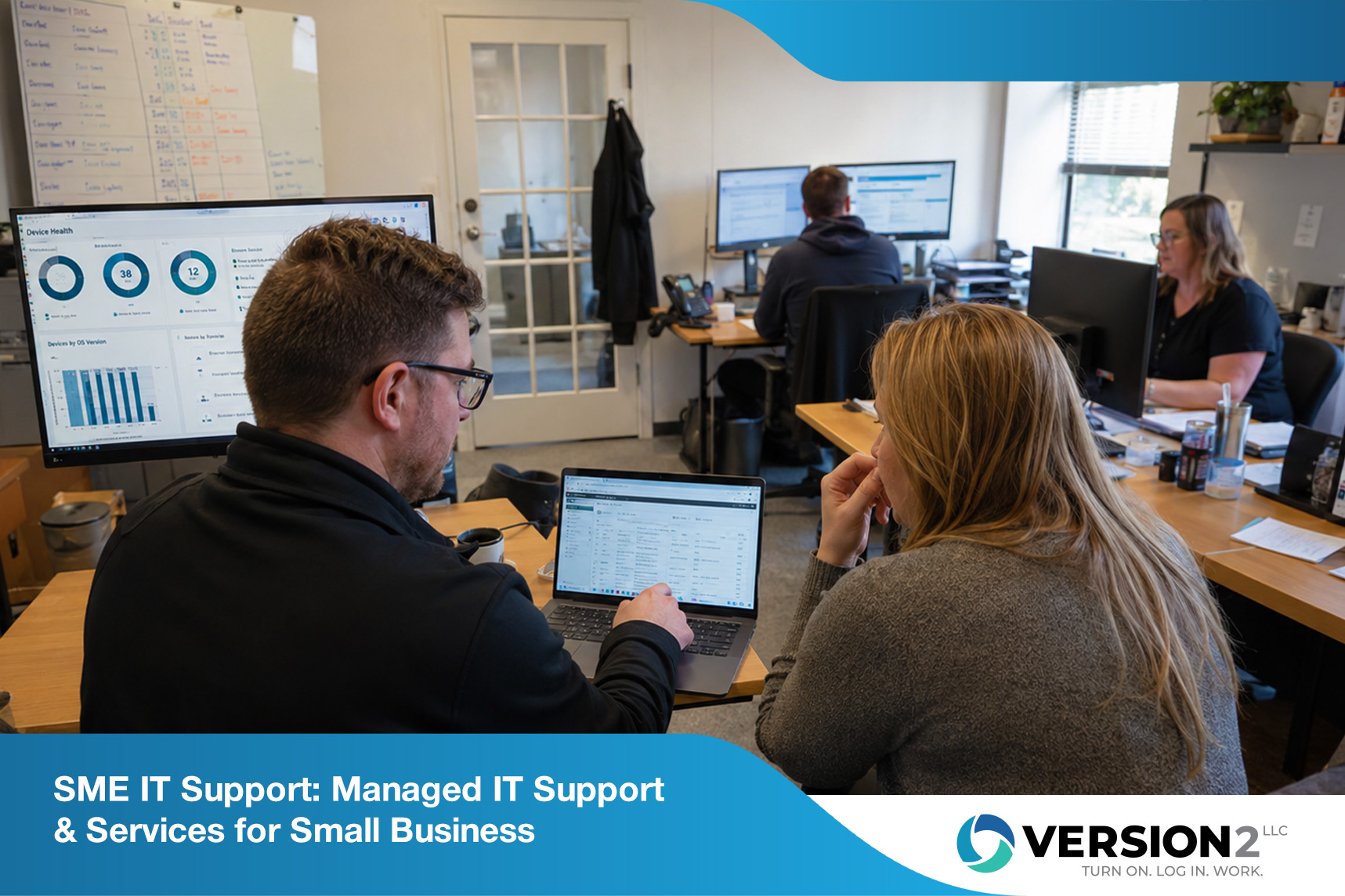
Small and medium-sized enterprises (SMEs) face unique challenges when it comes to technology. SME IT support is more than just fixing computers—it's about keeping your business running smoothly, protecting your data, and helping your team work better. In this blog, you'll learn what SME IT support really means, the most common mistakes to avoid, the benefits of managed IT services, and how to choose the right support for your organization. We'll also cover practical steps for implementation and answer the most frequent questions business owners ask. Whether you're looking to scale, improve backup strategies, or find a cost-effective partner, this guide will help you make informed decisions for your business.
SME IT support is all about providing the right technology help for small and medium-sized businesses. This means more than just troubleshooting—it covers everything from setting up secure networks to making sure your software is up to date. For many SMEs, having reliable IT support is the difference between staying productive and losing valuable time to tech issues.
A good IT support team helps you avoid downtime, keeps your data safe, and lets your employees focus on their jobs instead of worrying about technology problems. Many organizations find that managed IT services are a scalable and proactive way to handle their technology needs, especially as they grow or face new challenges.
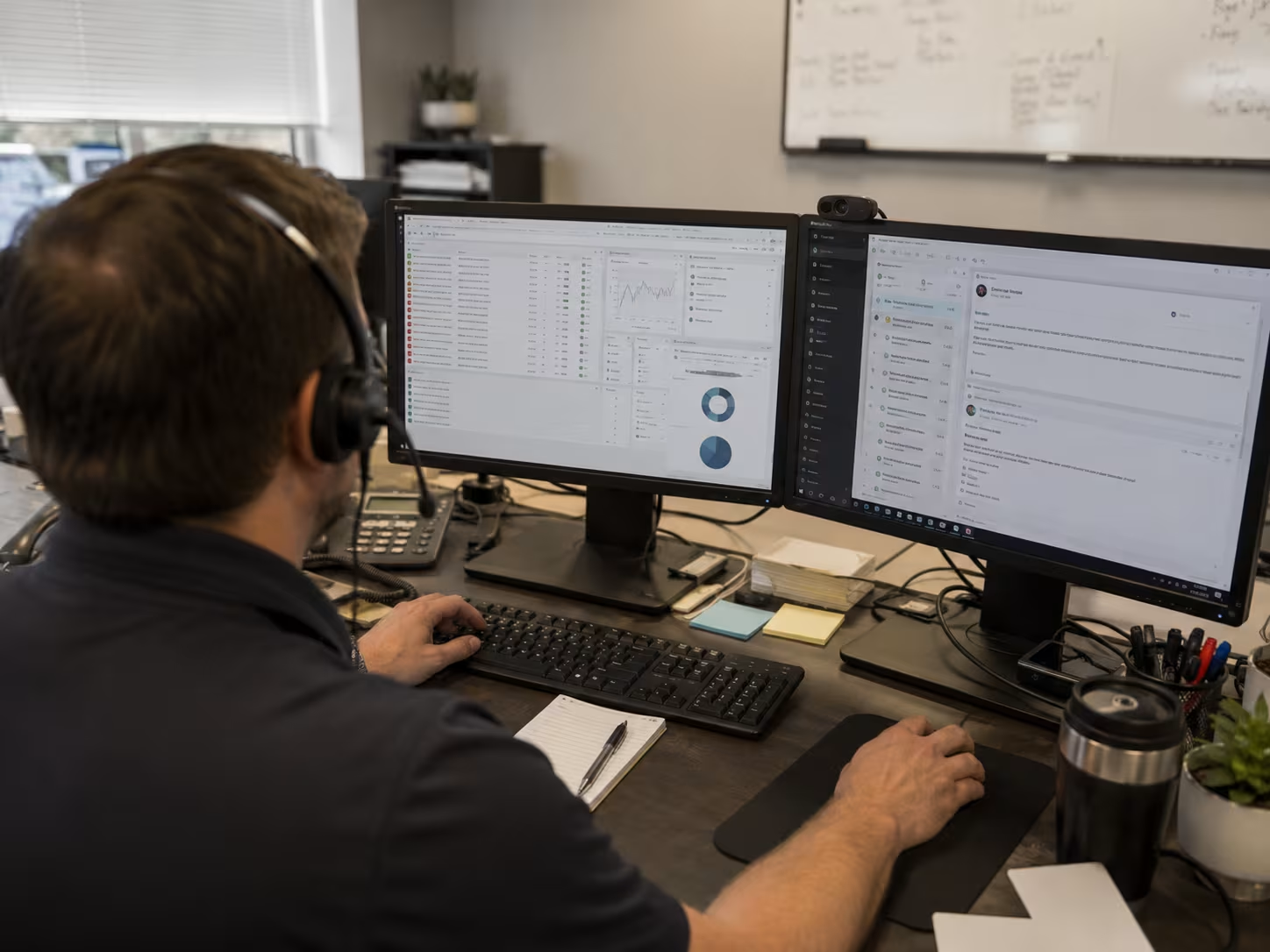
Every business wants its IT to work smoothly, but some common pitfalls can cause big problems. Here are the most important ones to watch out for:
Waiting until something breaks before calling for help can lead to long periods of downtime. Proactive support services help prevent issues before they disrupt your business.
Many SMEs think they're too small to be targeted, but cyber threats can hit any-sized business. Not having basic protections in place puts your data and reputation at risk.
Without regular backups, you risk losing important files if something goes wrong. Automated backup solutions ensure your data is safe and easy to recover.
As your business grows, your IT needs change. Failing to plan for future needs can leave you with outdated systems that slow down productivity.
Every organization is different. Tailor your IT support to fit your specific needs instead of relying on one-size-fits-all services.
Your employees are your first line of defense against cyber threats. Regular training helps them spot risks and avoid costly mistakes.
Outdated software and systems are more vulnerable to attacks. Keeping everything up to date is a simple way to improve security and performance.
Choosing managed IT support brings several advantages to your business:
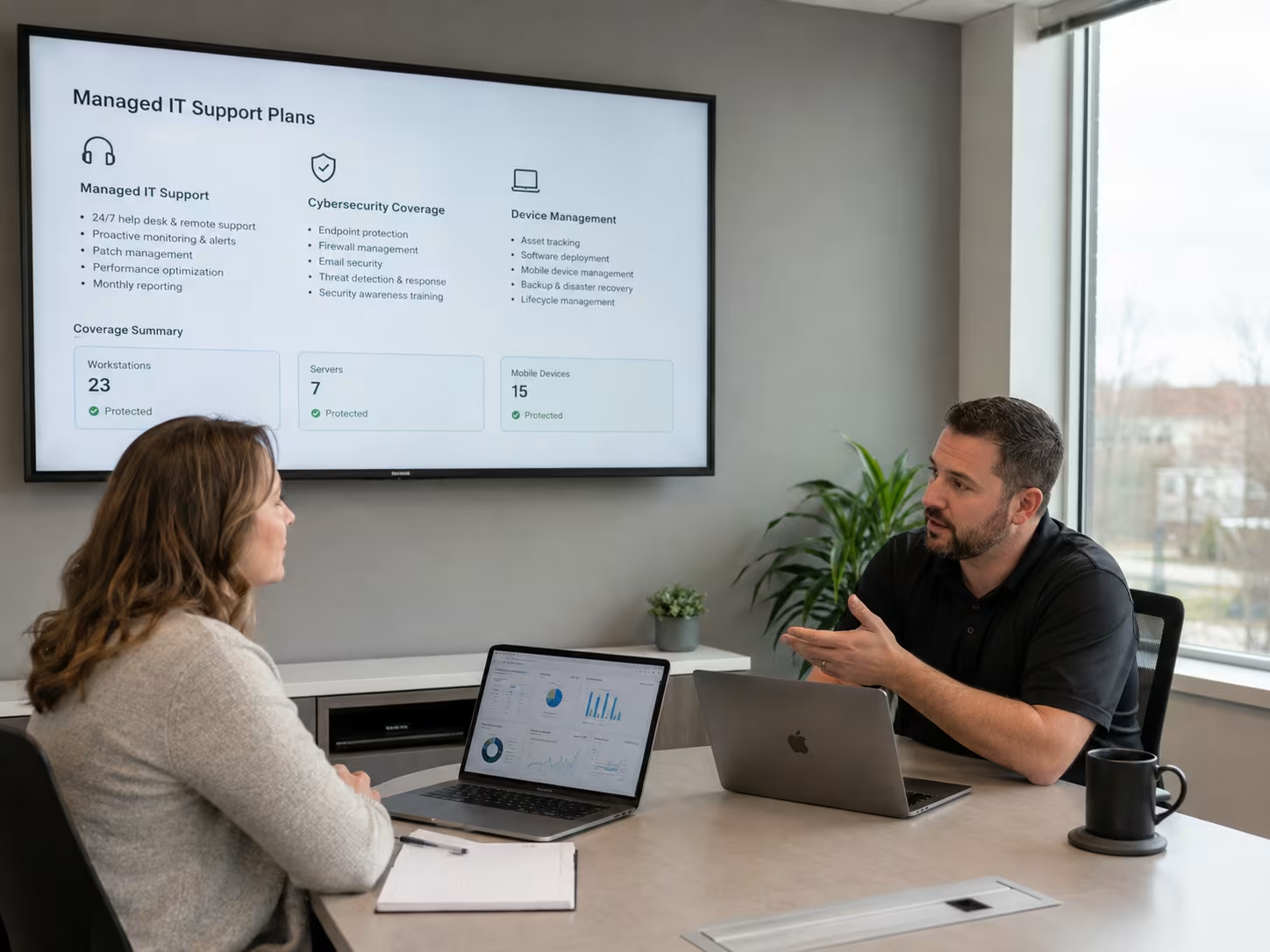
Support for SMEs is more important than ever as businesses rely more on technology to operate and compete. Without the right support, even small issues can quickly become big problems, leading to lost sales, frustrated customers, and wasted time. Having a trusted IT partner means you can focus on running your business, knowing that your technology is being managed by professionals.
Many SMEs find that outsourcing IT support is a cost-effective way to access the latest tools and expertise without the expense of hiring a full in-house team. By working with a provider that understands your industry and business goals, you can tailor your IT services to fit your needs and budget.
Finding the right IT support is about more than just price. Here are some strategies to help you make the best choice:
Start by looking at your current technology setup and identifying pain points. Knowing what you need helps you find a provider that offers the right services.
Choose a support provider with experience working with businesses like yours. They’ll understand your challenges and can offer solutions that work.
A good IT partner doesn’t just fix problems—they watch for issues and solve them before they cause trouble.
Fast support is crucial when something goes wrong. Ask about average response times and how emergencies are handled.
Your business will change over time. Make sure your IT support can scale with you, adding new services or users as needed.
Cybersecurity risks are always evolving. Look for a provider that offers strong protection and keeps up with the latest threats.
Choose an approachable team that explains things clearly and keeps you informed about what’s happening with your systems.

Getting started with managed IT support for SMEs is straightforward when you follow a clear plan. First, work with your chosen provider to review your current systems and identify areas that need improvement. This might include updating software, improving network security, or setting up regular data backups.
Next, set clear goals and expectations. Decide what services you need, how you want to communicate, and what success looks like for your business. Regular check-ins with your IT partner help ensure everything stays on track and that your technology continues to support your business as it grows.
Protecting your business from cyber threats is a top priority. Here are some best practices to follow:
Following these steps helps keep your business safe and running smoothly.
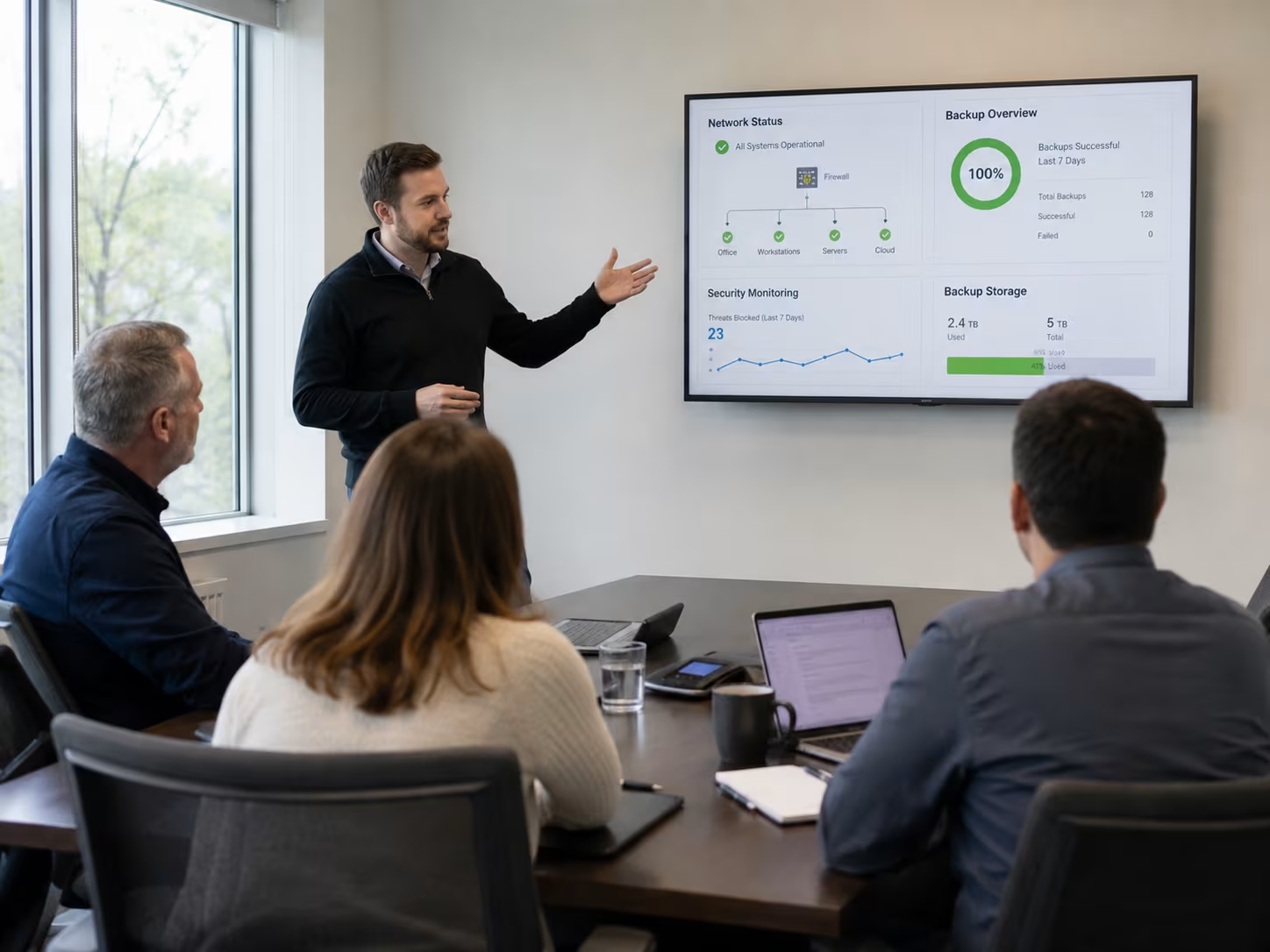
Are you a business with 10 to 100 employees looking for reliable SME IT support? Growing companies need technology that works as hard as they do. We understand the challenges you face and offer solutions designed to help you stay productive, secure, and ready for what’s next.
Our team specializes in IT managed services for SME organizations. We take care of your technology so you can focus on your business. If you’re ready to improve your IT support, protect your data, and work with a partner who understands your needs, contact us today.
Managed IT support means having a team of experts handle your technology needs, from daily troubleshooting to long-term planning. For SMEs, this service helps keep systems running smoothly, reduces downtime, and improves productivity. It also allows you to focus on your core business instead of worrying about IT problems.
By using managed IT support, your organization can proactively address issues before they become major problems. This approach is often more cost-effective than hiring an in-house IT team, especially for small businesses.
Support services provide regular monitoring, updates, and security checks to protect your business from threats. They help set up firewalls, antivirus software, and backup solutions to keep your data safe. These services also include employee training to reduce the risk of cyberattacks.
With IT managed services for SME companies, you get access to the latest security tools and expertise. This proactive approach helps prevent data breaches and keeps your business compliant with industry standards.
Outsourcing IT support gives SMEs access to a team of specialists without the cost of hiring full-time staff. This means you get expert help when you need it, plus ongoing support for your systems and software. Outsourced IT support is also scalable, so it can grow with your business.
By choosing to outsource, you can tailor services to fit your needs and budget. This flexibility is especially helpful for organizations that want to stay competitive without overspending.
Fully managed IT support covers everything from regular maintenance to emergency repairs. For small businesses, this means less downtime, faster problem resolution, and more time to focus on customers. It also includes proactive monitoring to catch issues early.
A managed services provider can help your business stay up to date with the latest technology. This approach boosts productivity and ensures your systems are always running at their best.
Start by looking for a provider with experience working with SMEs in your industry. Check their response times, range of services, and approach to cybersecurity risks. Make sure they offer clear communication and are approachable when you have questions.
Ask about their backup and disaster recovery plans to ensure your data is protected. A good support provider will also help you plan for future growth and tailor their services to your needs.
On-site IT support means having experts come directly to your office when needed. This is especially helpful for complex problems that can't be solved remotely. On-site support ensures quick fixes and hands-on help for hardware issues.
For SMEs, having a partner who can provide both remote and on-site support offers flexibility and peace of mind. It also helps build a strong relationship with your IT team, making it easier to address challenges as they arise.
%20(1).png)
October 9, 2026
Chasing visible AI projects first can delay the real gains—margin protection and efficiency—that come from automating your back office before customer-facing tools.
September 30, 2026
Explore SOC security services, including what is SOC as a service, to help your business detect, respond to, and stay ahead of cyber threats effectively.
September 25, 2026
Learn why security awareness training for employees is essential, what to include, and how to build a safer workplace with practical, ongoing training programs.
