August 14, 2026
Managed IT Services for Small Business: Benefits, Pricing & FAQs
Explore how Managed IT services for small business can reduce downtime, boost security, and streamline operations with expert IT business solutions tailored for growth.


May 20, 2026
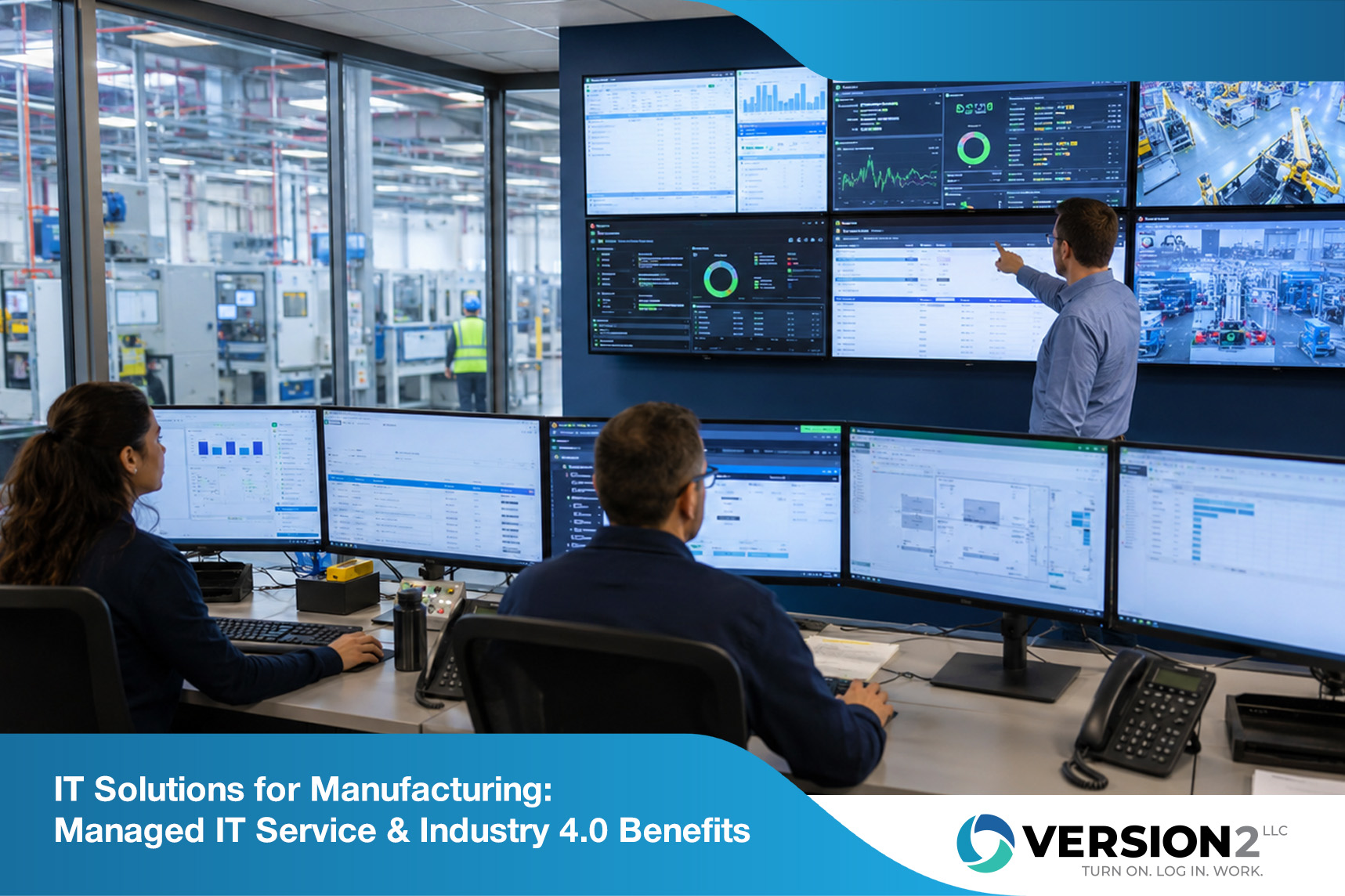
Manufacturers face constant pressure to improve efficiency, reduce costs, and stay compliant with regulations. Reliable IT solutions for manufacturing can help you meet these challenges while supporting growth and innovation. In this blog, you'll learn how managed IT service and services for manufacturing companies can streamline your operations, boost productivity, and keep your data secure. We'll also cover topics like ERP integration, compliance, supply chain management, automation, IoT, and how to optimize your workflow with analytics and artificial intelligence.
IT manufacturing solutions are designed to help manufacturing companies manage their technology, data, and operations more efficiently. These solutions cover everything from network security to cloud computing, and from real-time analytics to disaster recovery. By using IT services for manufacturing, you can reduce downtime, improve your workflow, and keep your systems running smoothly.
Manufacturing industry leaders are turning to managed IT services for manufacturing to support their digital transformation. These services help you integrate new technologies, protect sensitive information, and stay ahead of Industry 4.0 trends. With the right IT partner, you can focus on your core business while experts handle your technology needs.
Choosing the right managed IT service providers is critical for manufacturers. Here are some strategies to help you avoid common pitfalls:
When IT solutions are not matched to your business objectives, you may waste resources or miss out on important improvements. Make sure your provider understands your unique manufacturing needs.
Manufacturing companies are prime targets for cyberattacks. Failing to address cybersecurity can lead to data breaches, production stoppages, and compliance issues.
Regulations like CMMC and industry-specific standards require strict data handling. Not meeting these requirements can result in fines or lost contracts.
Downtime on the factory floor can be costly. Reliable IT solutions for manufacturing should prioritize uptime to keep your operations running.
Waiting too long to adopt digital manufacturing tools can leave you behind competitors. Stay current with Industry 4.0 technologies to remain competitive.
Disconnected systems slow down your workflow and make it harder to get real-time insights. Integrated IT solutions help streamline processes and improve decision-making.
Without a disaster recovery plan, unexpected events can halt production and cause data loss. Make sure your IT provider offers strong backup and recovery options.
Modern IT solutions for manufacturing offer several important advantages:

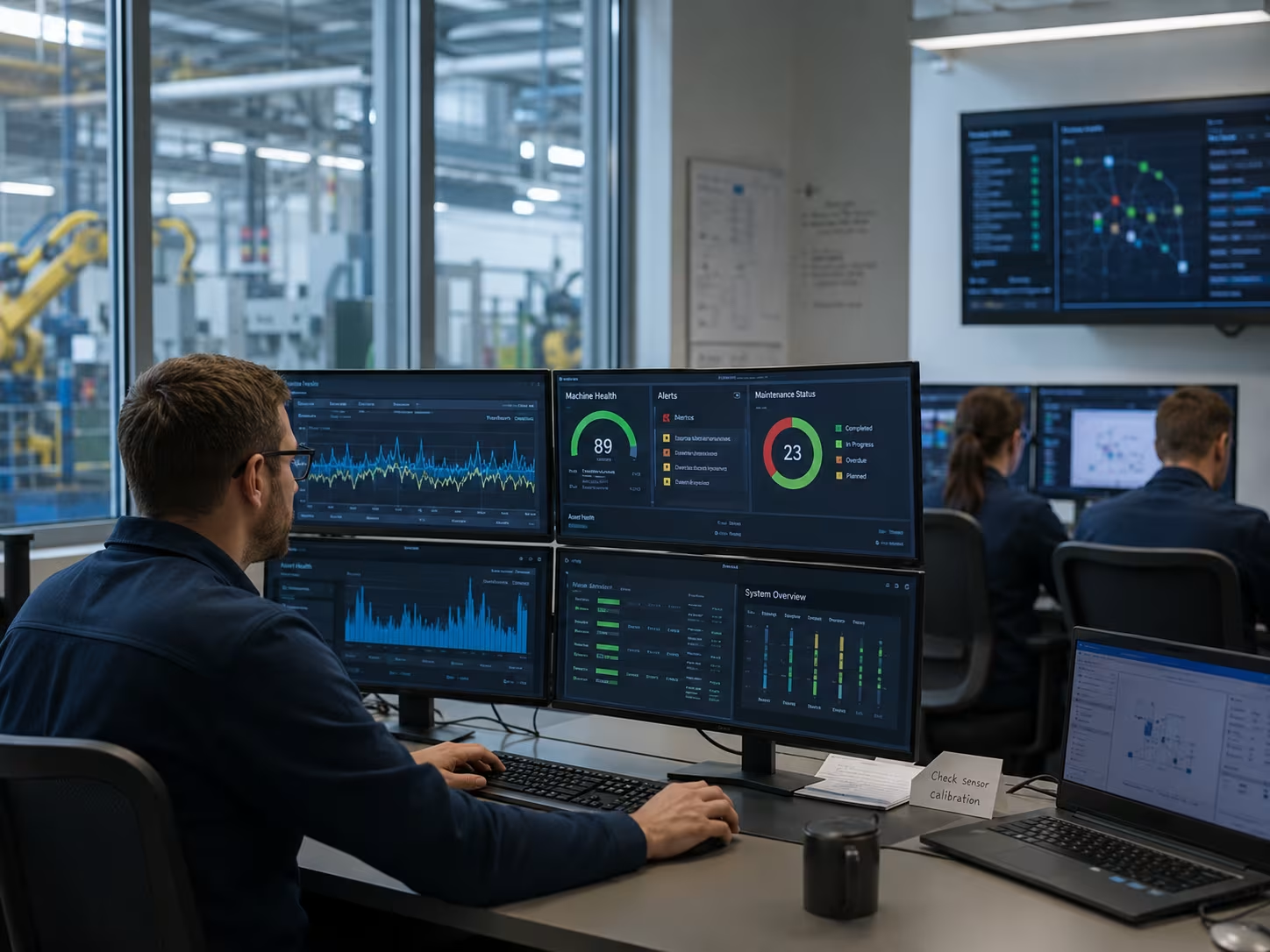
Optimizing manufacturing operations means using technology to make every part of your process more efficient. With managed IT services for manufacturing, you can automate routine tasks, monitor equipment health, and use analytics to spot trends or issues before they become problems. This helps you reduce waste, improve quality, and respond quickly to market changes.
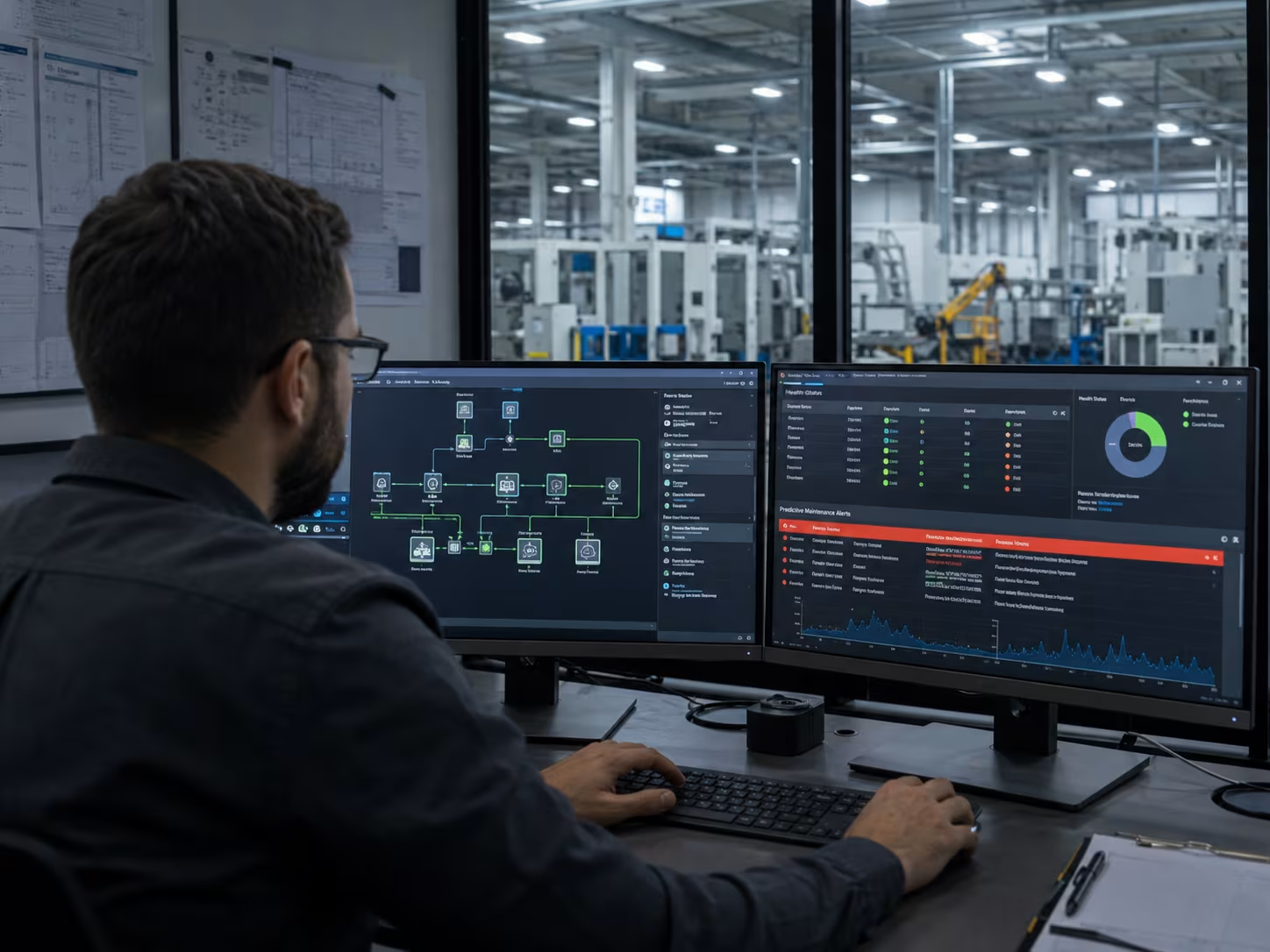
Smart manufacturing relies on real-time data from the factory floor. By connecting machines and systems through IoT devices, you get instant feedback on performance and can make adjustments on the fly. This level of integration supports predictive maintenance, reduces downtime, and keeps your production lines moving.
Digital manufacturing and industry 4.0 technologies are transforming how manufacturers operate. Here are some key steps to get started:
Begin by evaluating your existing IT infrastructure. Identify gaps in your technology and areas where digital tools could improve efficiency.
Decide what you want to achieve with digital manufacturing—whether it's better quality control, faster production, or improved supply chain visibility.
Select tools and platforms that fit your business needs. Look for solutions that support automation, analytics, and easy integration with your current systems.
Partnering with experts ensures your transition to digital manufacturing goes smoothly. They can help you avoid common mistakes and make the most of new technologies.
Make sure your staff understands how to use new systems. Ongoing training helps everyone stay up to date and get the most from your investment.
Use analytics to track how well your new systems are working. Make adjustments as needed to keep improving your manufacturing operations.
Technology is always evolving. Stay flexible and be ready to add new features or tools as your business grows.
Implementing IT solutions for manufacturing requires careful planning. Start by setting a clear budget and timeline for your project. Work closely with your IT provider to map out each step, from initial assessment to full deployment.
Make sure you have a plan for data migration, system testing, and employee training. Address potential challenges early, such as compatibility with legacy systems or the need for additional cybersecurity measures. Regularly review your progress and adjust your approach as needed to ensure a smooth transition.
To get the most from your IT services for manufacturing, follow these best practices:
Staying proactive with your IT approach helps you avoid problems and keeps your manufacturing operations running smoothly.
Are you a business with 10 to 100 employees looking to grow and improve your manufacturing operations? Our team understands the unique challenges that come with scaling your technology, staying compliant, and keeping your data secure.
We specialize in IT solutions for manufacturing and offer managed IT services for manufacturing companies of all sizes. If you're ready to optimize your workflow, reduce downtime, and take advantage of the latest industry 4.0 technologies, contact us today to see how we can help.
Managed IT services help manufacturers by improving system reliability and reducing downtime. With proactive monitoring and support, your critical systems stay up and running, which protects your workflow and keeps production on track.
Additionally, managed service providers can help you comply with industry regulations and secure your data. This means you can focus on manufacturing while experts handle your IT needs, including ERP integration and supply chain management.
Manufacturing services include tools and processes to keep your data safe and meet compliance standards. These services often involve regular security audits, real-time monitoring, and automated backups to prevent data loss.
They also help you implement best practices for cybersecurity and disaster recovery. This ensures your manufacturing company can recover quickly from any disruptions and maintain compliance with Industry 4.0 requirements.
The manufacturing industry often handles sensitive data and relies on connected systems, making it a target for cybercriminals. Attackers may try to disrupt your operations or steal valuable information.
By investing in cybersecurity, you can protect your IoT devices, prevent downtime, and keep your production lines secure. Regular updates and employee training are key parts of a strong defense.
Manufacturing companies should look for managed IT services that offer 24/7 support, industry-specific expertise, and scalable solutions. These services should also include regular system updates and proactive maintenance.
A good provider will help you streamline your workflow, integrate automation, and use analytics to improve productivity. Make sure they understand your unique business needs and can support your growth.
Manufacturing solutions can automate routine tasks, provide real-time data, and support predictive maintenance on the factory floor. This helps you identify issues before they cause downtime and improve overall efficiency.
By integrating artificial intelligence and cloud computing, you can make smarter decisions and respond quickly to changes in demand. These tools also help you maintain a competitive edge in the market.
Service providers for manufacturing help you adopt and manage Industry 4.0 technologies, such as IoT, automation, and advanced analytics. They guide you through each step, from planning to implementation.
With their support, you can integrate new systems, improve your workflow, and stay ahead of industry trends. This partnership allows you to focus on your core business while experts handle your technology needs.
%20(1).png)
August 14, 2026
Explore how Managed IT services for small business can reduce downtime, boost security, and streamline operations with expert IT business solutions tailored for growth.

August 7, 2026
Explore cloud migration solutions, key strategies, and tools to help your business migrate seamlessly. Learn how to avoid common mistakes and ensure a smooth transition.

July 29, 2026
Learn the five warning signs that your architecture or engineering firm needs a stronger technology strategy to support its continued growth.
