
October 14, 2026
AI Business Solutions: Is the Fastest Path Really the Best Start?
Chasing visible AI projects first can delay the real gains—margin protection and efficiency—that come from automating your back office before customer-facing tools.


April 20, 2026
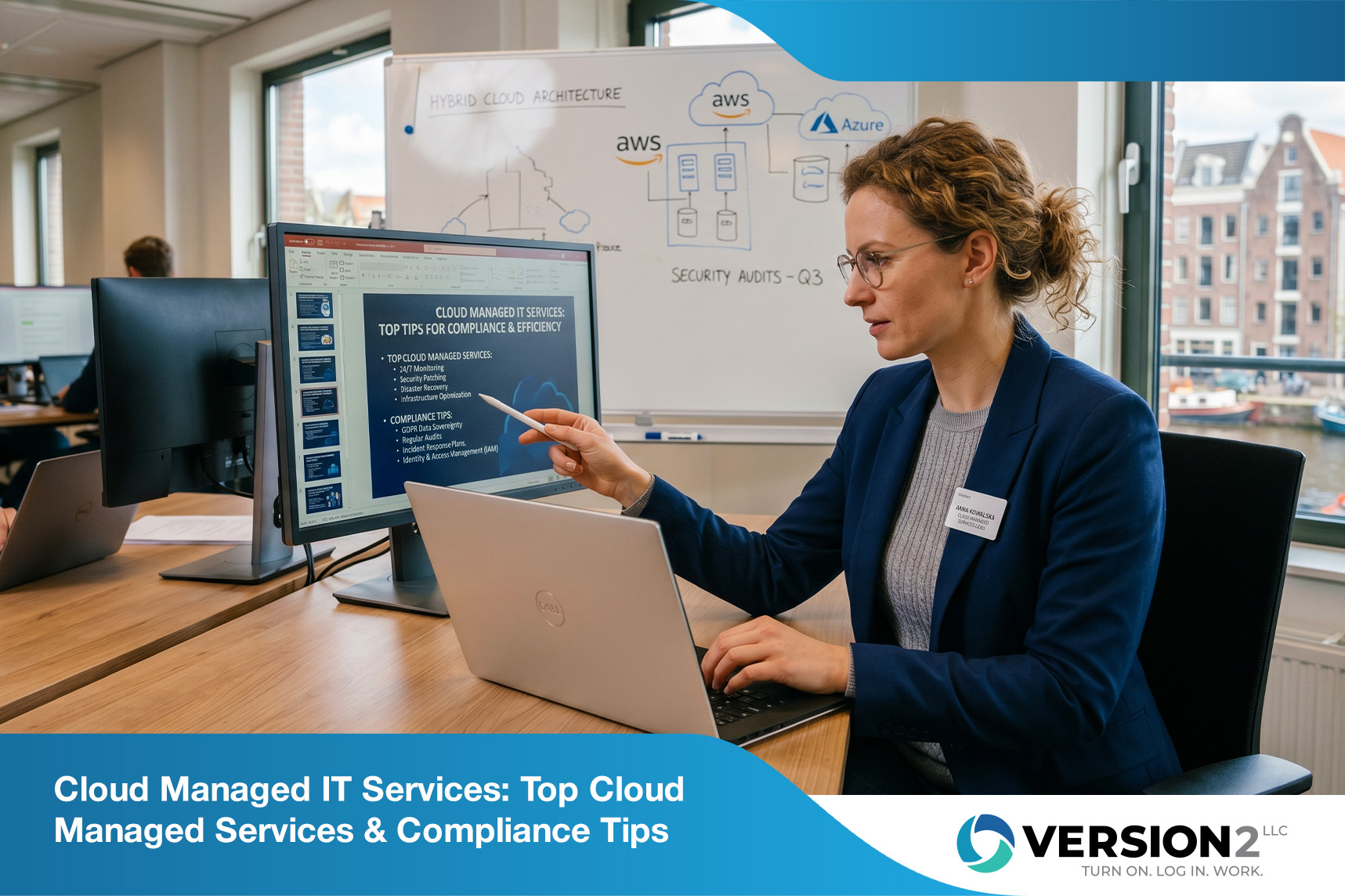
Cloud managed IT services are changing how businesses handle technology, making it easier to manage, secure, and scale their systems. In this blog, you’ll discover what cloud managed IT services are, the most common mistakes companies make, and how to avoid them. We’ll also cover the benefits, key features, and practical steps to get started. Expect to learn about hybrid cloud, public cloud, and how a service provider can help you optimize your cloud environment while staying compliant with industry rules and best practices.
Cloud managed IT services are when a third-party team looks after your business’s cloud technology. Instead of handling everything yourself, you work with experts who monitor, maintain, and update your systems. This approach helps you focus on your business, knowing your technology is in good hands.
With cloud managed IT services, you get access to the latest tools and support without needing a big in-house IT team. These services often include managing hybrid cloud setups, keeping your public cloud secure, and making sure your systems meet compliance standards. A good service provider will also help you optimize your cloud management and get the most out of your cloud resources.

Even with the best intentions, businesses can run into trouble if they’re not careful. Here are some of the most common mistakes to watch out for and how to avoid them.
Not having a clear cloud strategy can lead to wasted money and confusion. Without a plan, you might choose the wrong services or miss important security steps. Make sure you know what you want to achieve and how cloud managed IT services fit your business goals.
Security is a top concern in the cloud. Some businesses trust that everything is safe by default, but that’s not always true. Work with your provider to set up strong protections and review them regularly.
Not all providers are the same. Picking one without the right experience or support can cause problems down the road. Look for a provider with a track record in your industry and a clear understanding of compliance needs.
Cloud systems need regular monitoring to catch issues early. If you don’t keep an eye on things, small problems can turn into big ones. Make sure your provider offers 24/7 monitoring and quick response times.
Cloud managed IT services can save money, but only if you understand the costs. Watch for hidden fees and make sure you’re only paying for what you use. Ask your provider for clear pricing and regular reports.
If you use a mix of on-premises and cloud systems, integration is key. Skipping this step can lead to data silos and confusion. Choose a provider who can help you connect everything smoothly.
Every industry has rules about data and security. If you don’t follow them, you could face fines or lose customer trust. Make sure your provider understands compliance and helps you stay up to date.
Here are some of the main reasons businesses choose cloud managed IT services:

Keeping your data safe and meeting compliance requirements is a big part of cloud managed IT services. Providers use strong security tools to protect your information, including firewalls, encryption, and regular security checks. This helps prevent data breaches and keeps your business running smoothly.
Compliance is about following the rules set by your industry or government. Your provider should know the specific regulations that apply to your business and help you stay compliant. This can include regular audits, secure data storage, and clear documentation. By working with a knowledgeable provider, you can avoid costly mistakes and protect your reputation.
Cloud managed IT services come in different forms, each designed to meet specific business needs. Here’s a closer look at the main types and how they help you reach your goals.
A managed service provider handles your cloud systems, from setup to ongoing support. They make sure everything runs smoothly and fix problems quickly.
These providers focus on cloud-specific needs, such as managing your cloud environment, optimizing resources, and ensuring reliable performance.
If you use both on-premises and cloud systems, these providers help you connect and manage everything in one place. This makes it easier to share data and keep your systems in sync.
Some providers specialize in keeping your data safe and making sure you follow the rules. They offer tools and advice to help you stay secure and compliant.
These services focus on the day-to-day running of your cloud systems, including monitoring, updates, and troubleshooting. This keeps your business running without interruption.
Providers can help you use your cloud resources more efficiently, so you get the best performance for your money. This includes adjusting storage, processing power, and network settings as your needs change.
A good provider will work with you to understand your business goals and tailor their services to help you reach them. This might mean scaling up during busy times or adding new features as your business grows.

Starting with cloud managed IT services is easier than you might think. Begin by assessing your current IT setup and deciding what you want to achieve. Make a list of your must-haves, such as better security, lower costs, or easier compliance.
Next, research providers who offer the services you need. Look for experience, strong customer reviews, and a clear understanding of your industry. Ask about their approach to private cloud, Google Cloud, and how they handle best practices for cloud management. Once you choose a provider, work together to create a plan that fits your business.
To get the most from your cloud managed IT services, follow these best practices:
Following these steps will help you avoid common pitfalls and get the most value from your investment.

Are you a business with 10 to 100 employees looking for reliable cloud-managed IT services? If your company is growing and you want to make sure your technology keeps up, our team can help you find the right solution.
We understand the challenges of managing cloud-based IT services and keeping everything secure and compliant. Version 2 specializes in helping businesses like yours get the most from the cloud. Contact us today to see how we can support your goals and simplify your IT.
Cloud managed services are when a provider takes care of your IT systems in the cloud, so you don’t have to handle everything yourself. This includes setting up, monitoring, and fixing issues with your cloud environment. Providers use cloud management tools to keep your systems running smoothly and make sure you get the most out of your cloud resources.
For small businesses, this means you can focus on your work without worrying about technology problems. You get expert support, regular updates, and better security, all for a predictable monthly cost.
A cloud strategy is a plan for how you use cloud-based IT services to reach your business goals. It helps you decide which systems to move to the cloud and how to use them for the best results. A good strategy also covers compliance and security, so you stay protected.
By having a clear plan, you can avoid wasting money and make sure your cloud provider supports your long-term growth. This makes it easier to scale up as your business expands.
Managed cloud means a provider handles your cloud systems, including updates, backups, and security. This is important for compliance because many industries have strict rules about how data is stored and protected. Your provider will know these rules and help you follow them.
With managed cloud, you can be confident that your systems meet industry standards. This reduces the risk of fines or data breaches and helps you build trust with your customers.
Choosing the right cloud service depends on your business needs, such as storage, security, and support. Look for a provider who understands your industry and offers the features you need. Ask about their experience with cloud management and how they handle compliance.
A good provider will also help you optimize your cloud setup and make sure you’re not paying for services you don’t use. This ensures you get the best value for your investment.
When moving to the cloud, your service provider should guide you through each step, from planning to setup and ongoing support. They should explain how cloud based IT services will benefit your business and help you avoid common mistakes.
Expect regular communication, clear pricing, and a focus on security and compliance. The right provider will make the transition smooth and help you get up and running quickly.
To keep your cloud environment secure and efficient, work with a provider who offers regular monitoring and updates. They should use best practices for security, such as firewalls and encryption, and help you adjust your setup as your needs change.
Regular reviews and clear communication with your provider will help you catch issues early and keep your systems running at their best. This way, you can focus on your business while your provider handles the technology.
%20(1).png)
October 14, 2026
Chasing visible AI projects first can delay the real gains—margin protection and efficiency—that come from automating your back office before customer-facing tools.
September 30, 2026
Explore SOC security services, including what is SOC as a service, to help your business detect, respond to, and stay ahead of cyber threats effectively.

September 25, 2026
Learn why security awareness training for employees is essential, what to include, and how to build a safer workplace with practical, ongoing training programs.
